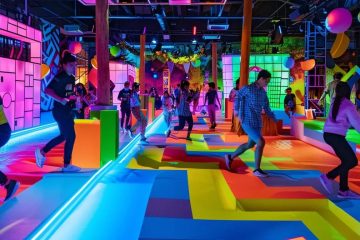
Enhancing Team Dynamics Through Effective Communication
Effective communication is a cornerstone of successful team building. By fostering open dialogue among team members, organizations can enhance collaboration and trust, which are essential for achieving common goals. Activities designed to improve communication skills can significantly impact team performance, leading to more productive outcomes.
Examples of communication-focused team building activities include role-playing exercises, feedback sessions, and interactive workshops. These activities encourage participants to express their thoughts and ideas clearly while also learning to listen actively to their peers. By integrating these practices into team building programs, companies can cultivate a culture of transparency and respect.
Measuring the Success of Team Building Activities
Measuring the success of team building activities is crucial for understanding their impact on organizational culture and employee engagement. Organizations should establish clear metrics to evaluate the effectiveness of their programs, such as employee satisfaction surveys, productivity assessments, and team cohesion scores.
For instance, after conducting a team building event, companies can gather feedback through post-event surveys to gauge participants' perceptions and experiences. Additionally, tracking performance indicators over time can help organizations assess whether the benefits of team building activities translate into improved workplace dynamics and overall business performance.
Tailoring Team Building Programs to Company Culture
Every organization has a unique culture that influences how team building activities should be designed and implemented. Tailoring programs to align with the company's values and mission can enhance engagement and participation among employees. Understanding the specific needs and preferences of team members is essential for creating relevant and impactful experiences.
For example, a tech company may benefit from incorporating innovative and tech-driven activities, such as virtual escape rooms or coding challenges, while a creative agency might prefer artistic team building exercises like collaborative mural painting. By customizing the approach, organizations can ensure that team building initiatives resonate with their workforce and drive meaningful results.
Incorporating Fun and Relaxation into Team Building
While the primary focus of team building is on improving collaboration and communication, incorporating fun and relaxation into these activities can enhance the overall experience. Engaging in enjoyable activities allows team members to bond in a more informal setting, which can lead to stronger relationships and a more cohesive team.
Activities such as outdoor adventures, team cooking classes, or wellness retreats not only provide entertainment but also promote stress relief and creativity. By balancing work-focused tasks with fun experiences, organizations can create a positive atmosphere that encourages team members to connect on a personal level, ultimately leading to improved teamwork and morale.