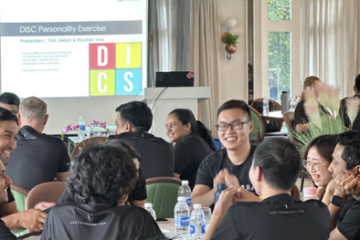
The Science Behind DISC Profiling
Understanding the science behind DISC Profiling is crucial for teams looking to leverage this assessment tool effectively. DISC Profiling is based on the theories of psychologist William Moulton Marston, who proposed that human behavior can be categorized into four primary dimensions. By studying these dimensions, teams can gain insights into individual motivations and communication styles, which can significantly enhance interpersonal dynamics.
Research has shown that teams that utilize behavioral assessments like DISC Profiling experience improved collaboration and reduced conflict. For instance, organizations that have implemented DISC-based training report a 30% increase in team productivity, as members learn to appreciate diverse working styles and adapt their communication accordingly.
Customizing DISC Profiling for Your Team
Customizing the DISC Profiling experience for your team can maximize its effectiveness and relevance. Each team is unique, and tailoring the assessment process to fit specific team dynamics and goals can lead to better outcomes. This customization might involve selecting particular scenarios or case studies that resonate with your team's experiences.
For example, a tech startup might focus on communication styles relevant to fast-paced project management, while a non-profit organization could emphasize collaboration in community outreach. By aligning the DISC Profiling process with your team's context, you can ensure that the insights gained are actionable and directly applicable to your workplace challenges.
Common Misconceptions About DISC Profiling
Despite its popularity, there are several common misconceptions about DISC Profiling that can hinder its successful implementation. One major misconception is that DISC profiling labels individuals and limits their potential. In reality, DISC is meant to provide a framework for understanding behavior, not to confine individuals to specific roles or characteristics.
Another misconception is that DISC Profiling is only beneficial for large teams or organizations. In fact, even small teams can gain significant insights from DISC assessments, as understanding behavioral styles leads to improved communication and teamwork. By addressing these misconceptions, organizations can foster a more open-minded approach to utilizing DISC Profiling effectively.
Integrating DISC Profiling with Other Team-Building Strategies
Integrating DISC Profiling with other team-building strategies can create a comprehensive approach to enhancing workplace dynamics. By combining DISC assessments with activities like team retreats, workshops, or collaborative projects, teams can reinforce the insights gained from profiling and apply them in real-world situations.
For instance, after completing DISC Profiling, a team might engage in a workshop focused on conflict resolution, using their newfound understanding of each other's behavioral styles to navigate challenges more effectively. This holistic approach not only improves communication but also fosters a culture of continuous learning and development within the team.