Benefits of Team-Building Activities
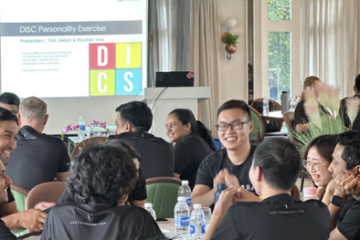
Team-building activities offer numerous benefits that go beyond just having fun. They foster better communication, enhance collaboration, and build trust among team members. By engaging in structured activities, employees can break down barriers and develop a deeper understanding of each other’s strengths and weaknesses.
For instance, activities such as problem-solving challenges or outdoor adventures encourage participants to work together, ultimately leading to improved morale and productivity. Companies that regularly implement team-building exercises often report higher employee satisfaction and lower turnover rates, highlighting their importance in a thriving workplace.
Innovative Approaches to Corporate Social Responsibility
Corporate Social Responsibility (CSR) has evolved, with companies now adopting innovative approaches to engage employees and contribute to society. These initiatives not only enhance a company's image but also motivate employees by aligning their work with meaningful causes. One Dynamics Team Building, for example, integrates CSR into its team-building programs, allowing participants to contribute to community projects while developing teamwork skills.
Examples of innovative CSR initiatives include skills-based volunteering, where employees use their professional expertise to help non-profits, or environmental sustainability projects that promote corporate responsibility. Such initiatives not only benefit communities but also create a sense of purpose among employees, fostering a positive corporate culture.
Measuring the Impact of Team-Building Programs
Measuring the impact of team-building programs is essential for understanding their effectiveness and return on investment. Companies can assess improvements in team dynamics, employee engagement, and overall productivity through surveys, performance metrics, and feedback sessions. These evaluations help organizations refine their approaches and ensure that team-building activities align with their strategic goals.
For instance, a company might track employee performance before and after a team-building event to gauge its influence on collaboration and communication. Additionally, qualitative feedback from participants can provide insights into how these experiences have changed their perceptions of teamwork and leadership within the organization.
Future Trends in Team Building and CSR
The future of team building and CSR initiatives is likely to be shaped by technological advancements and changing workforce dynamics. Remote work and hybrid teams necessitate innovative solutions that maintain team cohesion and engagement, such as virtual team-building activities and online CSR projects. Organizations must adapt to these trends to remain competitive and relevant.
Moreover, a growing emphasis on sustainability and social impact will drive companies to integrate CSR more deeply into their core strategies. This shift will not only enhance brand reputation but also attract talent that values corporate responsibility, making it a crucial component of modern business practices.