What Is DISC Profiling? A Complete Guide to the DISC Personality Assessment for Effective Team Building in Singapore
DISC profiling is a powerful tool used globally and locally in Singapore to understand individual behavior and communication styles within corporate teams. By categorizing personalities into four distinct types—Dominance, Influence, Steadiness, and Conscientiousness—this assessment provides deep insights that enhance team dynamics, refine leadership approach, and improve collaboration across multicultural and hybrid work environments. transform your team with top workshops in Singapore
This definitive guide explores DISC profiling principles, the proprietary One Dynamics implementation model tailored for Singapore’s high-performance teams, applications in corporate workshops and workplace communication training, and strategies to foster a more cohesive and productive work environment.
As organizations across Singapore face unique challenges in communication and team cohesion, leveraging DISC with specialized corporate facilitation methodologies has proven essential to unlocking team potential and driving sustainable business success.
Indeed, the widespread adoption of DISC assessments underscores their proven ability to enhance workplace dynamics across industries as diverse as technology, banking, finance, and multinational corporations (MNCs) headquartered in Singapore.
DISC Assessment for Workplace Teamwork & Productivity
DiSC is a personal assessment tool used by more than one million people annually worldwide to enhance teamwork, communication, and productivity in corporate environments. Singaporean enterprises increasingly integrate DISC insights within leadership development and employee engagement initiatives.
A study on the effectiveness of DISC personality test, 2021
Comprehensive Guide to DISC Profiling and the One Dynamics Model
DISC profiling categorizes individuals into four primary behavioral quadrants based on preferences and tendencies. The One Dynamics proprietary implementation model expands this framework to specifically serve corporate teams aiming for high performance, operational excellence, and cultural harmony in Singapore’s diverse workforce.
The Four Behavioral Quadrants in High-Performance Corporate Teams
| Behavioral Quadrant | Core Characteristics | Corporate Role & Impact | Potential Challenges |
|---|---|---|---|
| Dominance (D) | Results-Driven, Assertive, Direct Communicators | Strong leadership, task management, breaking bottlenecks, driving decision-making | Risk of over-assertiveness, impatience, overlooking team sentiment |
| Influence (I) | Relational Energy, Persuasive, Enthusiastic | Collaboration catalyst, morale booster, networker | Difficulty with follow-through and structure |
| Steadiness (S) | Dependable, Patient, Supportive | Psychological safety anchor, conflict mitigation, stability provider | Resistance to rapid change, reluctance to confront conflict |
| Conscientiousness (C) | Analytical, Detail-Oriented, Systematic | Quality control, process optimization, compliance enforcement | Tendency toward analysis paralysis, reluctance to delegate |
Understanding these quadrants helps teams leverage strengths while mitigating pitfalls, fostering a culture that values both performance and inclusivity.
One Dynamics Proprietary Facilitation Workflow for Corporate Workshops
One Dynamics has developed a structured facilitation methodology designed to maximize the impact of DISC profiling in Singapore corporate environments. The workflow integrates digital technology, experiential learning, and actionable business integration:
- Pre-Workshop Diagnostic: Deploy individual digital DISC assessments and generate an aggregated team profile map to identify diversity and synergy potentials.
- Experiential Workshop Delivery: Conduct interactive group quadrant mapping, cross-profile simulations, and situational roleplays to deepen understanding and practical skills.
- Facilitated Debriefing Framework: Guide structured reflective discussions focused on communication friction points, stress triggers, and overlooked cross-functional blind spots.
- Post-Workshop Action Planning: Develop personal behavioral commitments, team operating agreements, and management integration playbooks ensuring sustained application and continuous improvement.
Understanding DISC Profiling: A Guide to Team Building
In Singapore’s dynamic corporate landscape, DISC profiling is an indispensable component in team building and communication training designed for hybrid, multicultural teams prevalent in sectors such as technology, banking, and MNCs.
Cross-Functional Team Synergy & Communication Training Focus
Effective handling of common communication friction like Dominance-to-Steadiness and Influence-to-Conscientiousness is prioritized. The training modulates leadership and communication styles to address nuances of Singapore’s hybrid and culturally diverse workforce, enhancing interpersonal effectiveness and psychological safety.
- Managing D-to-S Communication Friction: Equip leaders to balance decisiveness with sensitivity, ensuring tasks move forward without alienating steady personalities.
- Converting I-to-C Collaboration Challenges: Enable influencers to appreciate the need for accuracy and process, while conscientious members learn to embrace relational engagement.
- Inclusive Leadership Modulation: Provide tools for leaders to shift seamlessly across behavioral quadrants depending on team and situational needs.
Structured DISC Workshop Formats & Packages Offered by One Dynamics
Recognizing varying corporate needs and schedules in Singapore, One Dynamics offers tailored workshop packages:
- Half-Day Intensive Discovery (3.5 hours): Concise assessment debrief, profile awareness, and foundational communication exercises ideal for busy teams seeking immediate impact.
- Full-Day Experiential Masterclass (7 hours): Comprehensive dive into team dynamics, live conflict scenario simulations, and cross-departmental integration strategies for organizations intent on deep behavioural transformation.
- 2D1N Leadership & Team Alignment Retreat (Singapore / Bintan / Batam): An immersive experiential bonding event combining DISC alignment with strategic planning to cement team cohesion and leadership vision.
Enhancing Team Dynamics in Singapore’s Corporate Culture
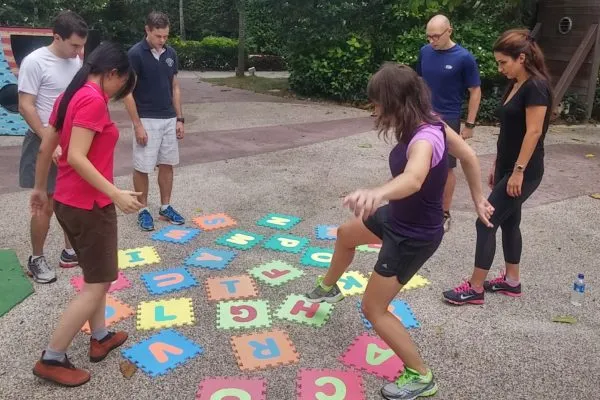
Enhancing team dynamics through DISC entails emphasizing self-awareness, mutual respect, and conflict competency aligned with Singapore’s multicultural ethics and corporate norms.
DISC profiles empower teams to anticipate behavioral triggers and navigate communication challenges constructively, transforming conflict into opportunity.
Improve Communication & Conflict with DISC Profiles
DISC assessments are used globally and across Singapore in thousands of organizations to foster productive communication and make conflict resolution more constructive.
Identify and Demonstrate 2 Personality Development Tools-Caliper Profile and Disc Assessment, 2021
- Self-Awareness: Encourages reflection on one’s behavioural impact, key for personal accountability and team empathy.
- Collaboration: Teams align on strengths and vulnerabilities to spark innovation and trust.
- Conflict Resolution: Understanding divergent motivations facilitates amicable problem-solving and relationship preservation.
Implementation Strategies for Singapore Corporates
For sustainable integration of DISC insights, organizations are encouraged to follow these structured approaches:
- Pre-Session Assessment: Deploy digital DISC questionnaires to all participants, creating transparent team profile maps.
- Facilitated Workshops: Employ professional facilitators trained in One Dynamics methodology to guide experiential learning.
- Team Mapping: Use visual quadrant maps to reveal team composition and areas for synergy or tension.
- Follow-up Action Planning: Codify personal and team behavioral commitments with management support for integration into daily workflows.
- Periodic Impact Measurement: Implement ongoing surveys and performance tracking to quantify improvements in communication, engagement, and retention.
Measuring and Demonstrating Impact
Effective assessment of DISC program ROI includes:
- Tracking Improvements: Monitoring communication quality, conflict frequency, and goal attainment metrics regularly.
- Surveys and Performance Metrics: Gathering qualitative and quantitative feedback from participants and leadership.
- Before and After Comparisons: Analyzing changes in team cohesion, morale, and productivity post-intervention.
Diving Deeper: The Four DISC Personality Types and Their Behavior Styles
Comprehensive understanding of each quadrant’s communication styles and key behavioral traits is critical for fine-tuning workplace interactions:
Communication Styles of Each DISC Type
- Dominance: Direct, concise, focused on results and efficiency, prefers clear decision-making.
- Influence: Engaging, enthusiastic, storytelling-oriented, motivates and energizes others.
- Steadiness: Calm, supportive, listens actively, fosters harmony and patience.
- Conscientiousness: Detailed, factual, precise, prefers thorough and accurate communication.
Key Characteristics and Corporate Roles
- Dominance: Assertive leader, competitive, drives task completion and accountability.
- Influence: Sociable team builder, persuasive, cultivates positive energy and networks.
- Steadiness: Patient collaborator, dependable, maintains team stability and morale.
- Conscientiousness: Analytical expert, systematic, ensures quality and compliance.
Applying DISC Profiling in Corporate Team Building Events in Singapore
DISC profiling’s methodology suits Singapore’s corporate team-building needs by emphasizing collaborative learning, experiential practice, and culturally attuned facilitation.
Benefits of DISC-Based Activities
- Enhanced Team Cohesion: Clarifies personality dynamics, improving mutual respect and unity.
- Improved Problem-Solving: Leverages diverse perspectives to generate innovative solutions.
- Increased Employee Satisfaction: Promotes recognition of individual value, elevating morale and retention.
Improving Communication and Collaboration Through DISC
- Tailored Communication: Adapting style to connect better with varied personalities.
- Conflict Resolution: Identifying root causes of friction, enabling constructive dialogue.
- Shared Goals: Aligning team purpose through mutual understanding and respect.
Advantages of DISC Assessment for HR Managers and Corporate Teams in Singapore
Human Resource professionals and corporate teams utilize DISC for talent management and organizational development:
Optimizing Team Dynamics Through DISC Profiles
- Tailored Recruitment: Selecting candidates whose behavioral styles complement team composition.
- Custom Training Programs: Designing upskilling that addresses specific communication and collaboration gaps.
- Employee Development: Aligning career pathways with individual behavioral strengths and preferences.
Success Metrics Demonstrating DISC Impact
- Employee Engagement Scores: Increased scores reflecting improved workplace atmosphere.
- Performance Metrics: Measurable productivity improvements post-DISC intervention.
- Retention Rates: Enhanced retention correlating with better team fit and satisfaction.
Booking DISC Personality Assessment and Team Building Services with One Dynamics in Singapore
Singapore organizations can access expert consultancy, tailored assessments, and immersive workshops through One Dynamics’ comprehensive service suite.
Scheduling DISC-Based Team Building Events
- Initial Consultation: Understand organizational goals and customize program scope.
- Assessment Administration: Conduct digital DISC tests and prepare team profile reports.
- Workshop Facilitation: Deliver interactive sessions facilitated by experienced DISC practitioners.
Accessing Case Studies and Testimonials
Potential clients can review validated outcomes and client testimonials via:
- Provider Websites: Detailed success stories and curated case examples.
- Industry Publications: Peer-reviewed articles showcasing empirical results.
- Networking Events: Conferences and workshops featuring firsthand user experiences.
Partner with One Dynamics for Transformative DISC Team Building in Singapore
Unlock your team’s potential and enhance communication effectiveness with One Dynamics’ specialized DISC workshops and assessments crafted for Singapore’s corporate culture.