DISC Profiling for Remote Teams: Boost Collaboration & Connection
DISC Profiling for Remote and Hybrid Teams: Enhancing Connection and Communication Across Distance
In today’s increasingly digital work environment, remote and hybrid teams face unique challenges in maintaining effective communication and collaboration. DISC profiling offers a powerful framework for understanding team dynamics and enhancing interpersonal relationships across distances. This article will explore how DISC profiling can benefit remote and hybrid teams, the different DISC styles, and actionable strategies for implementation. By addressing common pain points such as miscommunication and disengagement, organizations can foster a more connected and productive workforce. We will delve into various methods, including regular virtual check-ins, interactive workshops, and team-building activities, to ensure that teams remain cohesive and engaged.
Leveraging DISC Profiling for Remote and Hybrid Team Success
DISC profiling is a behavioral assessment tool that categorizes individuals into four primary personality types: Dominance, Influence, Steadiness, and Conscientiousness. This framework helps teams understand their members’ communication styles, strengths, and potential areas for conflict. By leveraging DISC profiling, remote and hybrid teams can improve their communication and collaboration, leading to enhanced team dynamics and productivity. The insights gained from DISC assessments enable team members to adapt their interactions, fostering a more inclusive and supportive work environment.
Indeed, the comprehensive benefits of DISC assessments extend to mitigating conflict and fostering a deeper understanding among team members.
DISC for Improved Team Communication & Building
conflict, avoid miscommunications, understand how those work who aren’t like you, improves team member and team communication as well as enabling team building. The benefits
DISC assessment impact on communication and understanding of self and team, 2018
One Dynamics Team Building specializes in enhancing team cohesion and performance through experiential learning and profiling tools, including tailored DISC profiling services for remote and hybrid teams.
Understanding DISC Styles

The DISC model comprises four distinct styles, each with unique characteristics and communication preferences. Understanding these styles is crucial for effective interaction within teams.
- Dominance: Individuals with a Dominance style are assertive and results-oriented. They prefer direct communication and thrive in competitive environments.
- Influence: Those with an Influence style are sociable and enthusiastic. They excel in collaborative settings and value relationships and team spirit.
- Steadiness: Steadiness individuals are calm and supportive. They prioritize stability and harmony, making them excellent listeners and team players.
- Conscientiousness: Conscientious individuals are detail-oriented and analytical. They appreciate structure and clarity, often excelling in tasks requiring precision.
Recognizing these styles allows teams to tailor their communication strategies, ensuring that all members feel understood and valued.
Regular Virtual Check-Ins
Regular virtual check-ins are essential for maintaining team cohesion in remote settings. These meetings provide opportunities for team members to connect, share updates, and address any challenges they may be facing.
- Frequency: Establish a consistent schedule for check-ins, such as weekly or bi-weekly meetings.
- Topics: Cover relevant topics, including project updates, team goals, and individual challenges.
- Engagement Strategies: Use icebreakers or team-building activities to foster a sense of connection and encourage participation.
By prioritizing regular check-ins, teams can enhance communication and ensure that everyone remains aligned with their objectives.
Interactive Workshops
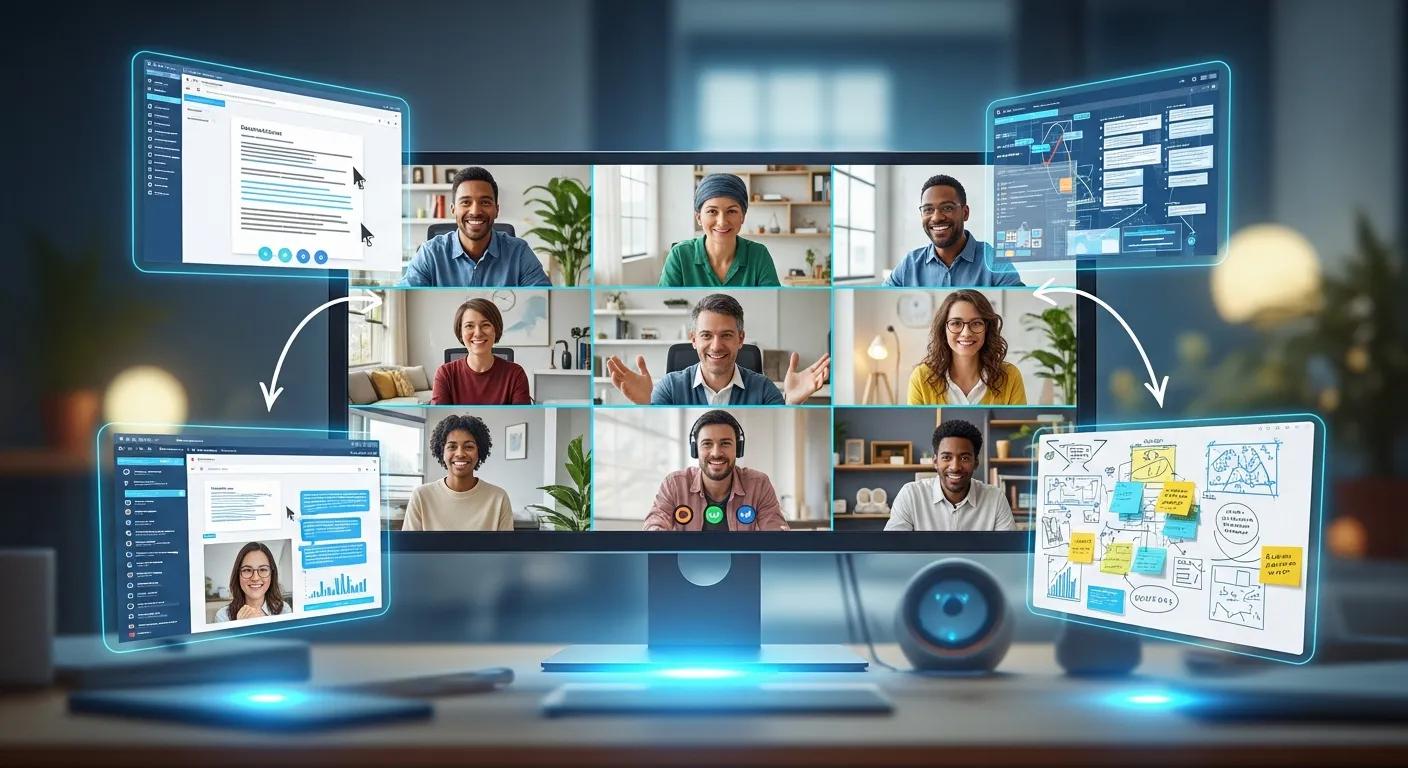
Interactive workshops play a vital role in enhancing team understanding and collaboration. These sessions can be tailored to address specific team dynamics and challenges.
- Activities: Incorporate activities that promote team bonding, such as role-playing scenarios or group problem-solving exercises.
- Benefits: Interactive learning fosters engagement and allows team members to practice their DISC insights in real-time.
- Facilitation Tips: Ensure that workshops are well-structured and facilitated by someone knowledgeable about DISC profiling to maximize effectiveness.
Workshops not only improve understanding of DISC styles but also strengthen relationships among team members.
Team-Building Activities
Leveraging DISC insights in team-building activities can significantly enhance team dynamics. Here are some effective activities suitable for remote teams:
- Virtual Escape Rooms: These activities encourage collaboration and problem-solving while allowing team members to utilize their unique strengths.
- Personality-Based Challenges: Design challenges that require team members to work together based on their DISC styles, promoting understanding and appreciation of each other’s strengths.
- Feedback Sessions: Incorporate structured feedback sessions where team members can share their experiences and insights related to DISC profiling.
By tailoring activities to DISC styles, teams can foster a deeper connection and improve overall engagement.
Utilizing Technology
Technology plays a crucial role in facilitating communication and collaboration among remote teams. Here are some recommended tools:
- Video Conferencing: Platforms like Zoom or Microsoft Teams enable face-to-face interactions, which are essential for building rapport.
- Collaboration Tools: Tools such as Slack or Trello help teams stay organized and connected, allowing for seamless communication and project management.
- Survey Tools: Utilize tools like SurveyMonkey to gather feedback on team dynamics and individual experiences with DISC profiling.
Implementing the right technology can enhance team dynamics and ensure effective communication.
Feedback Mechanisms
Establishing feedback processes is vital for continuous improvement within remote teams. Here are some key considerations:
- Types of Feedback: Gather both qualitative and quantitative feedback to gain a comprehensive understanding of team dynamics.
- Frequency: Schedule regular feedback sessions to ensure that team members feel heard and valued.
- Implementation: Create a structured approach for collecting and addressing feedback, ensuring that it leads to actionable insights.
By prioritizing feedback, teams can adapt and improve their dynamics over time.
Actionable Strategies
After conducting DISC assessments, teams can implement several actionable strategies to enhance their collaboration:
- Meeting Strategies: Tailor meeting formats to accommodate different DISC styles, ensuring that all voices are heard.
- Client Interaction Tips: Encourage team members to adapt their communication styles when interacting with clients based on DISC insights.
- Cross-Department Collaboration Techniques: Foster collaboration between departments by leveraging DISC insights to bridge communication gaps.
These strategies can lead to improved engagement and performance across the team.
Cultural Sensitivity
Cultural differences can significantly impact communication styles within remote teams. Here are some strategies to navigate these differences:
- Importance of Cultural Awareness: Recognize that different cultures may have varying communication preferences and styles.
- Using DISC to Navigate Differences: Leverage DISC insights to understand and appreciate diverse perspectives within the team.
- Inclusive Communication Strategies: Foster an inclusive environment by encouraging open dialogue and respect for different viewpoints.
By addressing cultural sensitivity, teams can enhance their communication and collaboration.
How DISC Profiling Improves Remote Team Communication and Collaboration
Understanding DISC styles can lead to significant improvements in team communication and collaboration. By recognizing each member’s strengths and preferences, teams can tailor their interactions to foster a more cohesive environment. This understanding can also aid in conflict resolution, as team members learn to appreciate differing perspectives and work towards common goals.
How to Implement Virtual DISC Assessments for Distributed Teams
Implementing virtual DISC assessments involves several key steps:
- Tools Needed: Utilize online assessment tools that provide comprehensive insights into team members’ DISC styles.
- Preparation Steps: Ensure that team members are informed about the assessment process and its benefits.
- Follow-Up Strategies: Schedule follow-up discussions to review assessment results and develop action plans based on insights gained.
By following these steps, teams can effectively integrate DISC profiling into their remote work practices.
Customizing DISC Profiling for Hybrid Team Dynamics
Hybrid teams face unique challenges that require tailored approaches to DISC profiling. Here are some considerations:
- Challenges Faced by Hybrid Teams: Recognize that hybrid teams may experience communication barriers due to varying work environments.
- Adapting DISC Insights: Customize DISC assessments to address the specific dynamics of hybrid teams, ensuring that all members feel included.
- Best Practices for Implementation: Develop strategies that promote collaboration and understanding among both remote and in-office team members.
By customizing DISC profiling, organizations can enhance the effectiveness of their hybrid teams.
This tailored approach is crucial for bridging communication gaps inherent in the hybrid work model.
DISC Theory for Communication in Hybrid Work
traits and how they influence communication. And in a hybrid work environment, with lot of communication process, an understanding of the DISC theory of leadership will be helpful.
Bridging the communication gap using DISC theory of leadership in the hybrid work environment, J Doley, 2021
What Are Effective Team Building Activities for Remote and Hybrid Workers Using DISC Insights?
Effective team-building activities that utilize DISC insights can significantly enhance team dynamics. Here are some examples:
- Personality-Based Workshops: Conduct workshops that focus on understanding and leveraging DISC styles for improved collaboration.
- Virtual Team Challenges: Organize challenges that require team members to work together based on their DISC strengths.
- Feedback and Reflection Sessions: Incorporate sessions where team members can share their experiences and insights related to DISC profiling.
These activities can lead to improved engagement and collaboration among team members.
Measuring Engagement and Performance Improvements Post-Activity
To assess the impact of team-building activities, organizations should consider the following metrics:
- Metrics to Track: Monitor engagement levels, productivity, and team cohesion before and after activities.
- Feedback Collection Methods: Utilize surveys and feedback sessions to gather insights from team members.
- Long-Term Impact Assessment: Evaluate the sustained effects of team-building activities on team dynamics and performance.
By measuring these factors, organizations can determine the effectiveness of their initiatives and make necessary adjustments.
How Can Leaders Use DISC Profiling to Enhance Remote Team Management?
Leaders can leverage DISC profiling to improve their management strategies for remote teams. Here are some key approaches:
- Understanding Team Dynamics: Use DISC insights to gain a deeper understanding of team members’ strengths and challenges.
- Tailoring Leadership Styles: Adapt leadership approaches based on individual DISC styles to foster engagement and motivation.
- Fostering Engagement: Create an environment that encourages open communication and collaboration, utilizing DISC insights to guide interactions.
By applying these strategies, leaders can enhance their effectiveness in managing remote teams.
The practical application of the DISC model is indeed an essential skill for effective leadership and remote team management in today’s dynamic work environment.
DISC Model for Remote Team Management
The practical application of the DISC model in the leadership and remote team management are essential skills in today’s
The synergy of leadership styles and behavioral analysis, 2021
Best Practices for Leading Hybrid Teams with DISC Awareness
To effectively lead hybrid teams, consider the following best practices:
- Effective Communication Strategies: Establish clear communication channels that accommodate both remote and in-office team members.
- Building Trust in Hybrid Settings: Foster trust by promoting transparency and open dialogue among team members.
- Encouraging Collaboration: Create opportunities for collaboration that leverage the strengths of both remote and in-office employees.
By implementing these best practices, leaders can enhance the performance and cohesion of their hybrid teams.