By josh tay, One Dynamics Team Building
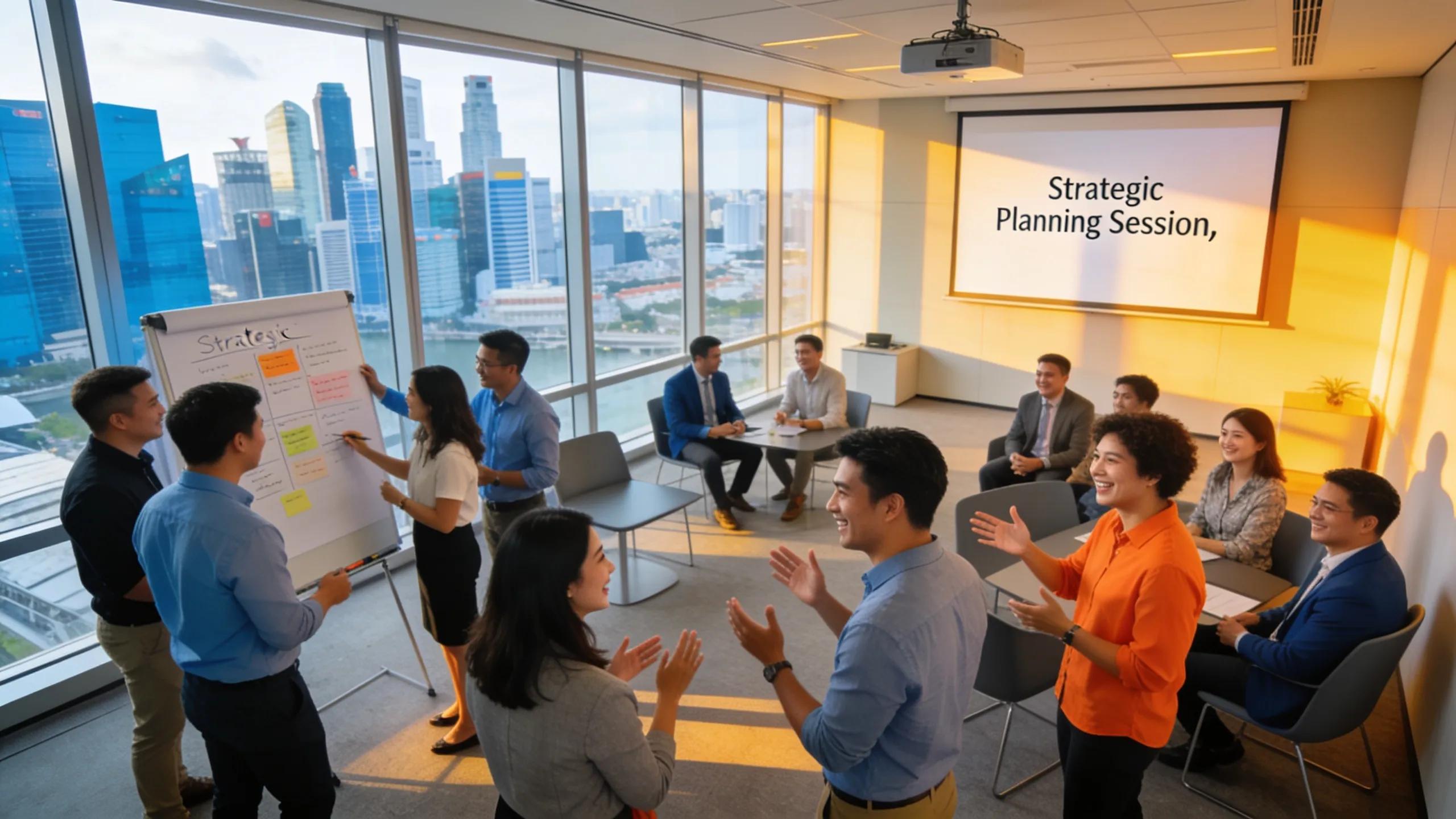
Corporate “leadership retreats” and team-building activities are vital for establishing cohesive teams and enhancing organizational effectiveness. These retreats not only serve to build relationships among employees but also to align executives towards common goals. As companies navigate the complexities of modern business, investing in such initiatives has become essential for fostering collaboration and innovation. In this article, we will explore various aspects of corporate retreats, focusing on why they matter, the best venues in Singapore, how to measure their return on investment (ROI), and strategies for executive alignment.
Understanding the nuances of a successful retreat can be challenging. This guide will provide an overview of available venues, methodologies for measuring the benefits of team-building exercises, and frameworks for aligning executive teams. By evaluating these elements, organizations can significantly improve their leadership effectiveness and drive organizational success.
Corporate Leadership Retreats and Team Building in Singapore
Corporate leadership retreats are structured events designed to enhance collaboration and strategic discussions among executives. Successful retreats focus on creating an environment conducive to open communication and problem-solving. “Team-building activities” during these retreats play a crucial role in strengthening interpersonal relationships, developing trust, and improving overall team dynamics. Organizations that prioritize these retreats often witness increased productivity, employee satisfaction, and reduced turnover rates.
The implementation of team-building philosophies tailored to the organization’s unique culture can amplify these benefits. These philosophies encompass a variety of activities ranging from workshops and seminars to outdoor adventure challenges. By understanding the expected outcomes, organizations can align their retreat’s objectives with their broader strategic goals.
Top-Tier Corporate Retreat Venues in Singapore
Selecting the appropriate venue is a critical component of planning successful leadership retreats. Singapore offers numerous leadership retreat venues catering specifically to corporate events, each with a distinct range of amenities and capacities. Here are a few notable options:
| Venue Name | Characteristics | Capacity |
|---|---|---|
| Marina Bay Sands | Luxurious meeting spaces with stunning city views | Up to 500 |
| Raffles Hotel | A historic setting with modern amenities | Up to 400 |
| Sentosa Island Resorts | Combines leisure and business for a unique experience | Up to 600 |
| The Fullerton Hotel | Known for elegant meeting rooms and exceptional service | Up to 400 |
| Capella Singapore | A tranquil setting with extensive outdoor spaces | Up to 200 |
| The Ritz-Carlton, Millenia Singapore | Features state-of-the-art facilities | Up to 500 |
These remarkable venues not only provide the necessary infrastructure for successful retreats but also create an inspiring backdrop that enhances creativity and engagement during sessions.
What unique venue options foster executive cohesion in Singapore?
When planning a retreat, consider venues that prioritize executive cohesion through their design and offerings. Spaces equipped with breakout rooms for small group discussions, access to inspirational views, and facilities for physical activities can catalyze connection among attendees. As listed, venues like Sentosa Island Resorts and Capella Singapore offer a blend of business and leisure settings that greatly enhance participant engagement.
How to evaluate venue accessibility and capacity for corporate retreats?
Evaluating accessibility involves considering transportation options, parking availability, and proximity to accommodations. Capacity is equally vital, as participants should feel neither cramped nor isolated. Ideally, venues should accommodate the expected number of attendees with room for collaborative activities and networking. Considering these factors when selecting a venue ensures a smooth and effective retreat experience.
Methodologies for Measuring ROI:
Measuring the “return on investment” of leadership retreats is essential for justifying the investment to stakeholders. Several key performance indicators (KPIs) can provide insights into the effectiveness of these initiatives. Key methods include collecting participant feedback, evaluating behavioral changes post-retreat, and analyzing performance metrics against pre-defined goals.
Organizations can also utilize surveys to gauge participant satisfaction and gather qualitative insights about team dynamics. Tracking improvements in productivity and engagement following the retreat can shed light on its financial implications. Additionally, establishing clear objectives prior to the retreat helps in assessing its success accurately.
How can corporate team building activities in Singapore deliver measurable ROI?
Corporate team-building activities designed with specific outcomes in mind can critically influence ROI. For instance, activities that promote communication skills or strategic thinking can lead to measurable improvements in team performance and collaboration. By documenting changes in team effectiveness and applying them to overall business objectives, organizations can better illustrate the financial benefits derived from their investments in team building.
What methodologies assess team building ROI in corporate retreats?
Frameworks for evaluating ROI typically incorporate both qualitative and quantitative measures. Collecting direct feedback from participants about their interpersonal interactions can quantify improvements, while pre- and post-retreat performance metrics can highlight tangible outcomes. By employing these methods, organizations can realize a clearer picture of the impact their retreats have on operational success.
Strategies for Effective Executive Alignment:
Achieving strategic alignment among executives is crucial for the success of corporate leadership retreats. Clear objectives must be defined, ensuring that all participants understand the goals of the retreat. Effective communication prior to the event helps set expectations and fosters a cooperative environment.
Another important aspect is developing a detailed agenda that balances structured discussions with opportunities for informal interactions. These interactions foster relationship-building, which is often as valuable as formal strategic discussions. By prioritizing executive alignment, organizations can realize the full benefits of their leadership retreats.
What executive alignment frameworks enhance leadership retreats in Singapore?
Several frameworks can facilitate executive alignment during retreats, including the SMART criteria (Specific, Measurable, Achievable, Relevant, Time-bound) for goal-setting. Additionally, utilizing tools like SWOT analysis (Strengths, Weaknesses, Opportunities, Threats) encourages a comprehensive examination of the organization’s current strategic position. Implementing these frameworks fosters an environment of accountability and encourages productive discussions among executives.
How to plan and book impactful corporate leadership retreats in Singapore?
Corporate retreat planning in Singapore involves time, careful consideration, and collaboration among key stakeholders. Early identification of objectives and participant needs sets a foundation for success. Engaging a facilitator can assist in achieving the desired outcomes while managing logistics effectively. Organizations can utilize service providers like One Dynamics Team Building to ensure comprehensive support in planning and execution.
What are best practices for executive retreat planning?
- Define Clear Objectives: Establish what the retreat aims to achieve based on organizational needs.
- Engage All Stakeholders: Include key participants in the planning process to gain insights and create buy-in.
- Focus on Environment: Choose venues that enhance collaboration and creativity, such as those mentioned earlier.
- Follow Up: Post-retreat, assess outcomes through feedback and performance metrics to ensure continuous improvement in future initiatives.
By adhering to these practices, organizations can optimize their corporate retreats, ensuring long-term benefits and sustained executive alignment.
Engaging with One Dynamics Team Building for Inquiries
For organizations seeking to enhance their corporate leadership retreats, reaching out to One Dynamics Team Building can provide valuable insights and assistance. Their expertise in facilitating team-building activities ensures that the planned retreats are impactful and aligned with organizational goals. Interested parties can contact One Dynamics via email at enquiries@onedteambuilding.com or by calling (+65) 8087 5028 for further information and to schedule a consultation.