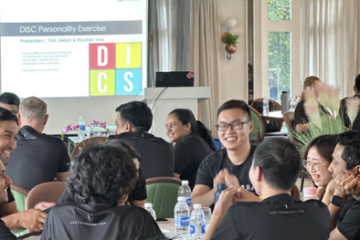
Understanding Personality Types in Team Dynamics
Understanding different personality types is crucial for enhancing team dynamics and improving overall workplace communication. By recognizing the diverse traits and preferences of team members, organizations can tailor their approach to collaboration and conflict resolution.
For instance, utilizing tools like the DISC assessment allows teams to identify whether individuals are Dominant, Influential, Steady, or Conscientious. This insight helps in assigning roles that align with each member's strengths, ultimately leading to increased productivity and job satisfaction.
Benefits of DISC Profiling in Team Building
DISC Profiling offers numerous benefits for team building, particularly in fostering a culture of understanding and cooperation among employees. By implementing DISC assessments, organizations can create a more harmonious work environment where each member feels valued and understood.
Moreover, teams that engage in DISC Profiling report improved communication and reduced conflict. For example, a study found that companies using personality profiling tools experienced a 30% increase in team performance, showcasing the tangible advantages of understanding individual differences in a collaborative setting.
Implementing Effective Team-Building Strategies
Implementing effective team-building strategies is essential for maximizing the potential of any workforce. Structured programs that incorporate personality profiling can significantly enhance the effectiveness of these strategies by aligning team activities with the unique dynamics of the group.
For example, incorporating exercises that promote collaboration among diverse personality types can lead to innovative solutions and a stronger sense of camaraderie. Organizations that prioritize tailored team-building initiatives often see a marked improvement in employee engagement and retention rates.
Measuring the Impact of Team Building on Workplace Performance
Measuring the impact of team building on workplace performance is vital for organizations seeking to justify their investments in such programs. By tracking key performance indicators before and after team-building activities, companies can assess the effectiveness of their initiatives.
For instance, metrics such as employee satisfaction scores, productivity levels, and turnover rates can provide valuable insights into the success of team-building efforts. Companies that regularly evaluate these factors are better positioned to refine their strategies and achieve long-term improvements in team performance.