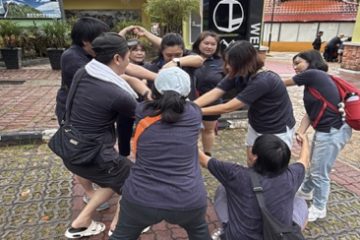
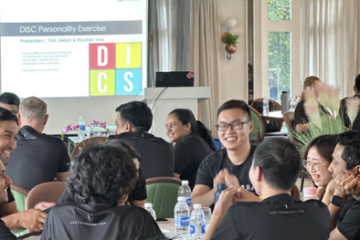
Singapore Corporate Team Building: Conflict & Leadership

In many organisations, performance challenges are rarely caused by lack of talent. More often, they stem from misalignment, communication breakdowns, and unresolved team tension. This is why corporate team building Singapore programmes are increasingly focused on structured facilitation,conflict management, and leadership development — rather than just recreational activities.
At One Dynamics, we believe team building must drive behavioural change and long-term culture transformation.
The Hidden Cost of Unresolved Team Conflict
Conflict is natural in high-performing environments. Diverse personalities, different communication styles, and varying priorities can create friction.
However, when conflict is not addressed properly, organisations may experience:
- Declining workplace morale
- Reduced employee engagement
- Poor collaboration
- Increased turnover
- Damaged corporate culture
Effective team conflict resolution is not about avoiding disagreements — it is about managing them constructively.
The Process of Recognizing and Resolving Team Disputes
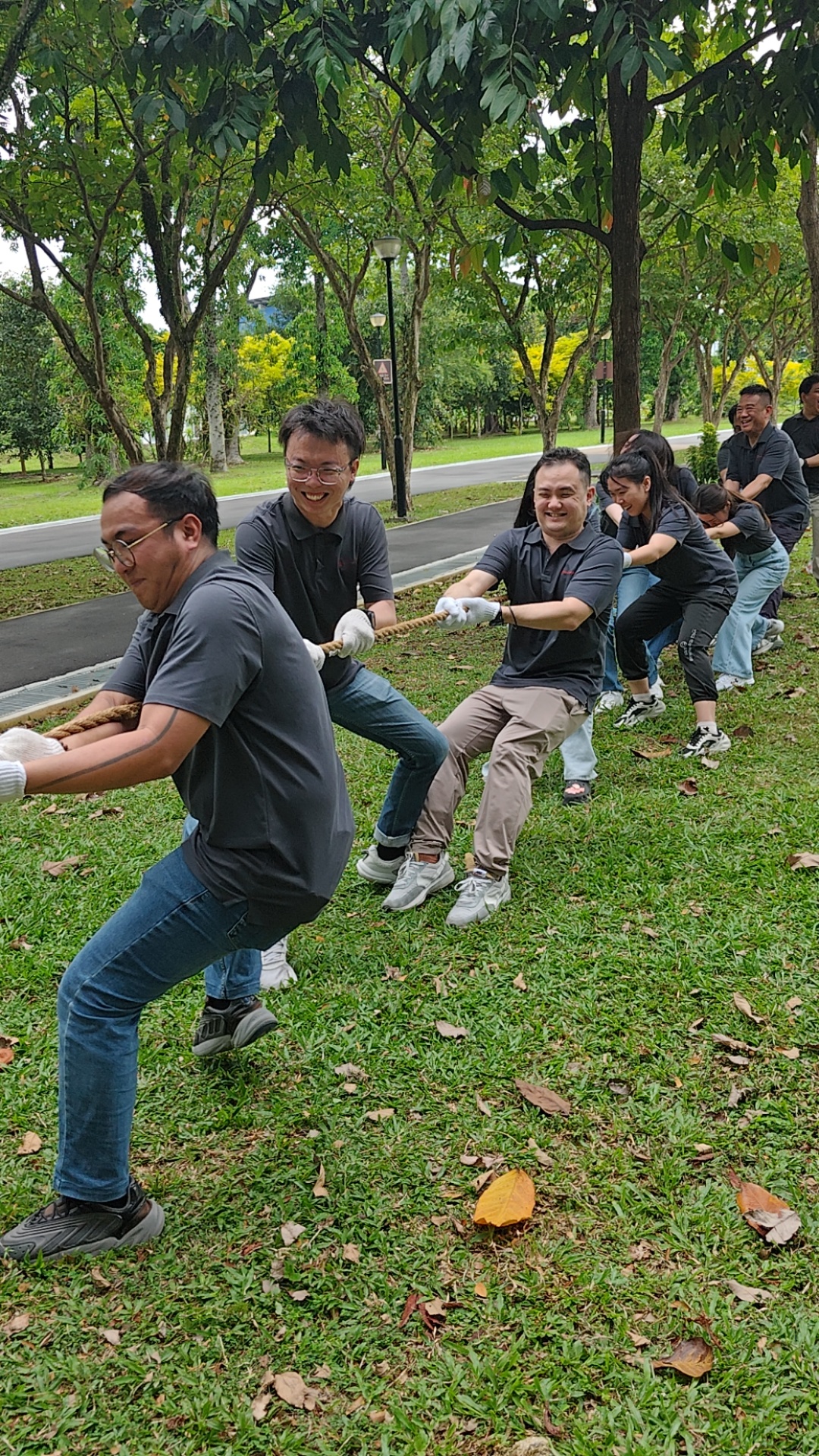
High-performing teams follow a structured approach to conflict management:
- Identifying underlying issues
- Encouraging open communication
- Understanding behavioural styles
- Creating shared accountability
- Implementing resolution frameworks
Through facilitated workshops and simulations, participants learn practical tools for conflict resolution in teams.
These may include:
- Communication style profiling
- Role-play conflict scenarios
- Feedback frameworks
- Structured reflection exercises
When teams understand how conflict arises, they become better equipped to handle tension without escalation.
Team Building Conflict Management as a Strategic Tool
Traditional team bonding activities may build rapport, but structured team building conflict management programmesbuild capability.
By combining experiential learning with professional facilitation, organisations can:
- Improve psychological safety
- Strengthen trust
- Enhance cross-department collaboration
- Develop stronger leadership behaviours
This approach transforms team building from an event into an organisational development strategy.
Corporate Social Responsibility Team Building

Beyond internal alignment, many organisations integrate CSR team building activities into their development strategy.
A well-designed CSR programme aligns corporate values with community impact. It encourages employees to work together toward a meaningful cause while strengthening internal relationships.
Research consistently shows that csr activities for corporate teams significantly improve employee engagement and reinforce positive corporate culture.
Leadership Development and Corporate Culture
Corporate culture is shaped by leadership behaviour.
Structured corporate team building activities that incorporate leadership development modules help organisations:
- Improve emotional intelligence
- Enhance decision-making clarity
- Build accountability structures
- Strengthen long-term strategic alignment
Formats such as:
- Corporate team building retreats
- Mindfulness retreats
- Digital detox retreats
- Executive alignment workshops
provide the space required for deeper transformation.
Benefits of Corporate Team Building in Singapore
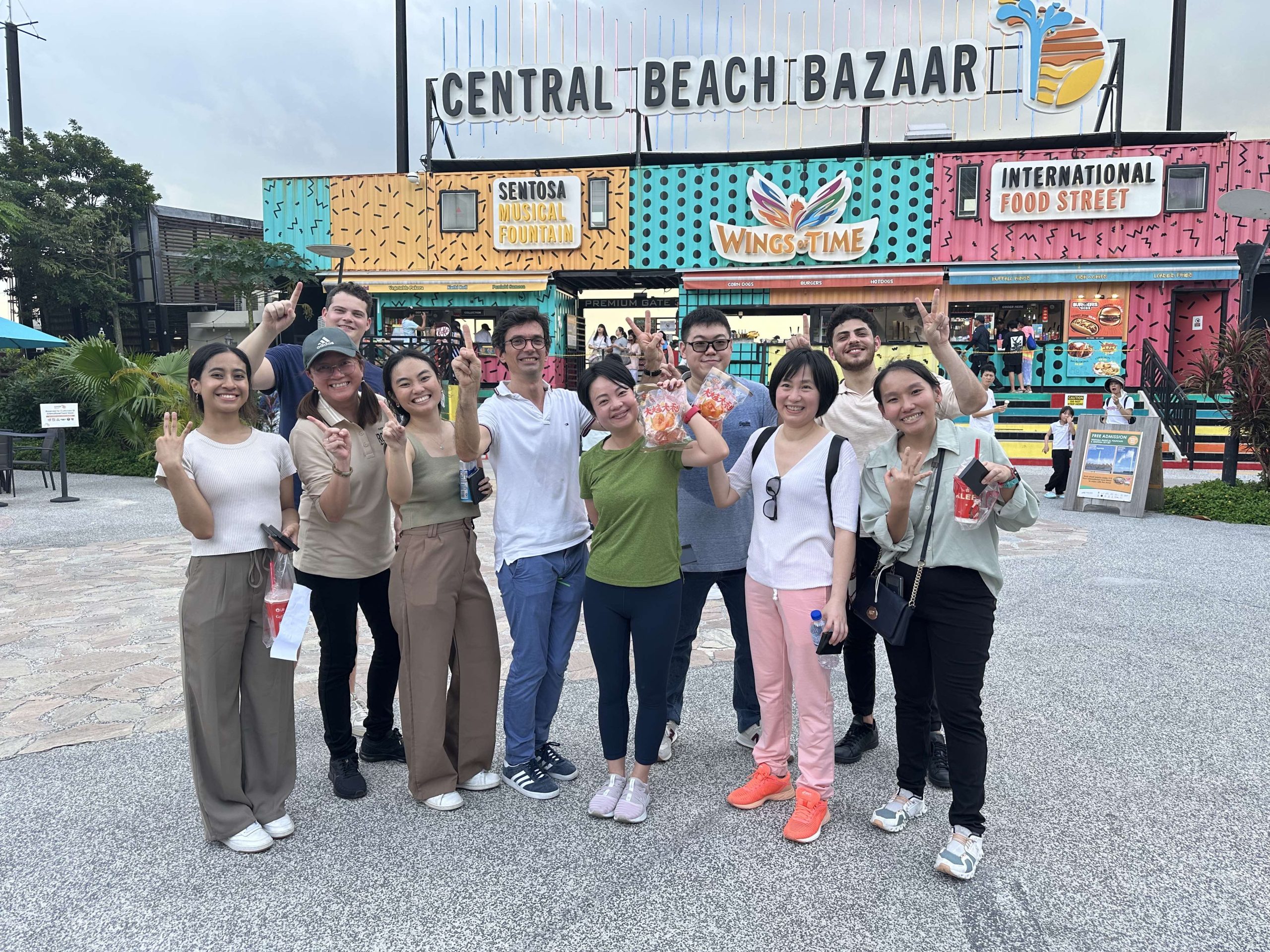
When structured correctly, organisations benefit from:
- Higher employee engagement
- Stronger collaborative environment
- Improved workplace morale
- Better conflict resolution in teams
- Clearer leadership direction
- Sustainable corporate culture growth
How Often Should Companies Conduct Team Building?
To sustain results:
- Quarterly engagement sessions
- Bi-annual structured workshops
- Annual corporate team building retreat
- Ongoing leadership development initiatives
Consistency reinforces behavioural change.
Final Thoughts: Strengthening Culture & Leadership with Team Building
Corporate team building Singapore organisations need today goes beyond recreation.
It requires:
- Structured facilitation
- Conflict resolution frameworks
- Leadership development integration
- Alignment with business objectives
At One Dynamics, we design customised programmes that strengthen culture, improve team conflict resolution, and elevate leadership performance — creating lasting impact across the organisation.