Strategic Planning for Executive Retreats in Singapore
By Josh Tay, Adventour Singapore
Executive Summary
Planning an executive retreat in Singapore demands a high-impact, strategic approach combining premium venue selection, precise agenda crafting, tailored team-building, and seamless logistics management. Leveraging experiential facilitation and actionable frameworks ensures measurable ROI and lasting team cohesion. This guide integrates proven methodologies, budget calculators, venue comparisons, and evaluation rubrics to elevate your next C-suite offsite.
About the Author: Josh Tay and One Dynamics Facilitation Methodology
Josh Tay is an expert lead facilitator specializing in executive retreats with over 15 years of experience across Southeast Asia’s top corporate environments. He has facilitated strategy offsites for Fortune 500 companies in Singapore utilizing the proprietary One Dynamics facilitation methodology—an evidence-based, adaptive process integrating psychometric data, real-time feedback, and strategic imperatives to deliver high-engagement outcomes. Josh’s unique ability to navigate HiPPO (highest paid person’s opinion) dynamics while maintaining neutrality and fostering open dialogue ensures actionable insights and strengthened leadership alignment.
Adventour Singapore’s approach combines experiential learning frameworks with industry best practices, supported by comprehensive data collection and ROI evaluation.
Comprehensive Guide for Planning an Executive Retreat in Singapore
An executive retreat is a vital opportunity for C-suite leaders to step away from their daily responsibilities and focus on strategic planning and team development. The importance of these retreats cannot be overstated, as they foster collaboration, enhance leadership skills, and promote innovative thinking. In Singapore, a city known for its vibrant business environment and world-class facilities, planning an effective retreat can lead to significant benefits for your organization. This guide will outline the critical components necessary for a successful executive retreat, ensuring that your team returns with renewed focus and actionable strategies.
1. Venue Selection
Choosing the right venue is paramount for the success of an executive retreat. The venue should not only be accessible but also provide an atmosphere conducive to creativity and collaboration. Key criteria for selecting a venue include:
- Accessibility: Ensure the venue is easily reachable for all participants, considering transportation options and proximity to accommodations.
- Atmosphere: The environment should inspire creativity and open dialogue, making it essential to choose a location that aligns with your retreat’s objectives.
- Available Amenities: Look for venues that offer necessary facilities such as meeting rooms, recreational options, and catering services.
- Privacy and Exclusivity: Prioritize venues with high privacy indexes to protect confidential discussions and enhance focus.
Recommended venues in Singapore include Marina Bay Sands, Raffles Hotel, and Sentosa Island Resorts, each providing unique settings that cater to corporate needs.
Singapore C-Suite Venue Evaluation Comparison Matrix
| Venue | Privacy Index | Boardroom Tech | Max Capacity | Natural Daylight / Wellness Score | Avg. Full-Day Exec Delegate Rate (SGD) |
|---|---|---|---|---|---|
| Capella Singapore | High | State-of-the-art | 50 | 9/10 | 3500 |
| Sofitel Sentosa | Medium-High | Advanced AV | 40 | 8/10 | 2800 |
| The Barracks Hotel | Very High | Modern Facilitation Kits | 30 | 8.5/10 | 3200 |
| Dusit Thani Laguna Singapore | Medium | Comprehensive | 60 | 7.5/10 | 2700 |
| Bintan The Sanchaya | High | Premium AV | 25 | 9.5/10 | 4000 |
2. Agenda Development
Creating an effective agenda is crucial for maximizing the impact of your retreat. A well-structured agenda should include:
- Clear Objectives: Define what you aim to achieve during the retreat, whether it’s strategic planning, team building, or leadership development.
- Detailed Schedule: Outline specific sessions, breaks, and activities to ensure a balanced flow throughout the retreat.
- Participant Feedback: Incorporate input from participants to address their needs and expectations, fostering a sense of ownership and engagement.
- Inclusion of Executive Coaching Elements: Integrate one-on-one or small group coaching sessions to drive self-reflection and goal-setting.
An effective agenda not only guides the retreat but also ensures that all participants are aligned with the goals set forth.
3. Team-Building Activities
Incorporating team-building activities into your retreat can significantly enhance team cohesion and leadership development. Effective activities include:
- Experiential Learning Opportunities: Engage participants in hands-on experiences that promote collaboration and problem-solving.
- Workshops on Conflict Resolution: Facilitate discussions that address potential conflicts and teach strategies for resolution.
- Customized Programs: Tailor activities to meet the specific needs of your team, ensuring relevance and impact.
- Cultural Immersion: Incorporate local culture experiences to deepen team connection and diversity appreciation.
AdvenTOUR Singapore specializes in corporate team building and event planning solutions, focusing on experiential programs that enhance team cohesion and leadership development.
4. Logistical Considerations
Managing logistics is essential for a seamless executive retreat. Key logistical aspects to consider include:
- Transportation Arrangements: Coordinate travel for participants to and from the venue, ensuring timely arrivals and departures.
- Accommodations for Participants: Secure lodging that meets the needs of all attendees, considering comfort and convenience.
- Catering Options: Provide meals and refreshments that cater to diverse dietary preferences, enhancing the overall experience.
- Technology and AV Support: Ensure high-quality audio-visual setups with dedicated concierge support for smooth session delivery.
Effective logistical planning ensures that participants can focus on the retreat’s objectives without distractions.
5. Measuring Success and ROI
Evaluating the effectiveness of your retreat is crucial for understanding its impact on your organization. Key methods for measuring success include:
- Setting KPIs for Evaluation: Define specific key performance indicators that align with your retreat objectives.
- Collecting Feedback from Participants: Use surveys and discussions to gather insights on participant experiences and outcomes.
- Implementing Follow-Up Strategies: Develop a plan for post-retreat engagement to reinforce learnings and maintain momentum.
What Are the Essential Steps to Planning a Successful Executive Retreat in Singapore?
To summarize, the essential steps for planning a successful executive retreat in Singapore include:
- Define Clear Objectives: Establish what you want to achieve during the retreat.
- Select an Appropriate Venue: Choose a location that fosters creativity and collaboration.
- Develop a Detailed Agenda: Create a structured schedule that includes time for strategic discussions and team-building activities.
- Manage Logistics Effectively: Ensure all logistical aspects are handled smoothly to allow participants to focus on the retreat’s goals.
- Measure Success and ROI: Evaluate the retreat’s effectiveness through participant feedback and established KPIs.
How to Define Clear Objectives and Outcomes for Your C-Suite Offsite
Defining clear objectives is the foundation of a successful retreat. Consider the following steps:
- Identify Key Focus Areas: Determine the primary topics that need to be addressed during the retreat.
- Engage Stakeholders: Involve key stakeholders in the objective-setting process to ensure alignment with organizational goals.
- Communicate Expectations: Clearly articulate the desired outcomes to all participants to foster a shared understanding of the retreat’s purpose.
What Budget Considerations Should Guide Your Retreat Planning?
Budgeting is a critical aspect of retreat planning. Key considerations include:
- Venue Costs: Factor in rental fees, catering, and any additional services required.
- Transportation and Accommodation: Include travel expenses and lodging for all participants.
- Activity Expenses: Allocate funds for team-building activities and any external facilitators.
Executive Retreat Budget Calculator Matrix
| Category | Essential Boardroom (SGD) | Premium Sentosa Offsite (SGD) | Ultra-Luxe Regional Immersion (SGD) |
|---|---|---|---|
| Venue Rental (per day) | 1,000 – 2,500 | 4,000 – 8,000 | 10,000 – 20,000 |
| Master Facilitation & Psychometrics | 3,000 – 5,000 | 7,000 – 12,000 | 15,000 – 25,000 |
| Executive F&B / Fine Dining (per pax) | 70 – 120 | 150 – 250 | 300 – 500 |
| Curated Experiential Bonding | 1,000 – 2,500 | 3,000 – 6,000 | 8,000 – 15,000 |
| Tech / AV / Concierge Support | 500 – 1,000 | 1,500 – 3,000 | 4,000 – 8,000 |
Note: Total per-pax and overall budget will scale on group size and customization complexity.
Which Corporate Retreat Venues in Singapore Best Suit Executive Offsites?
When selecting a venue, consider the following options that cater specifically to corporate retreats:
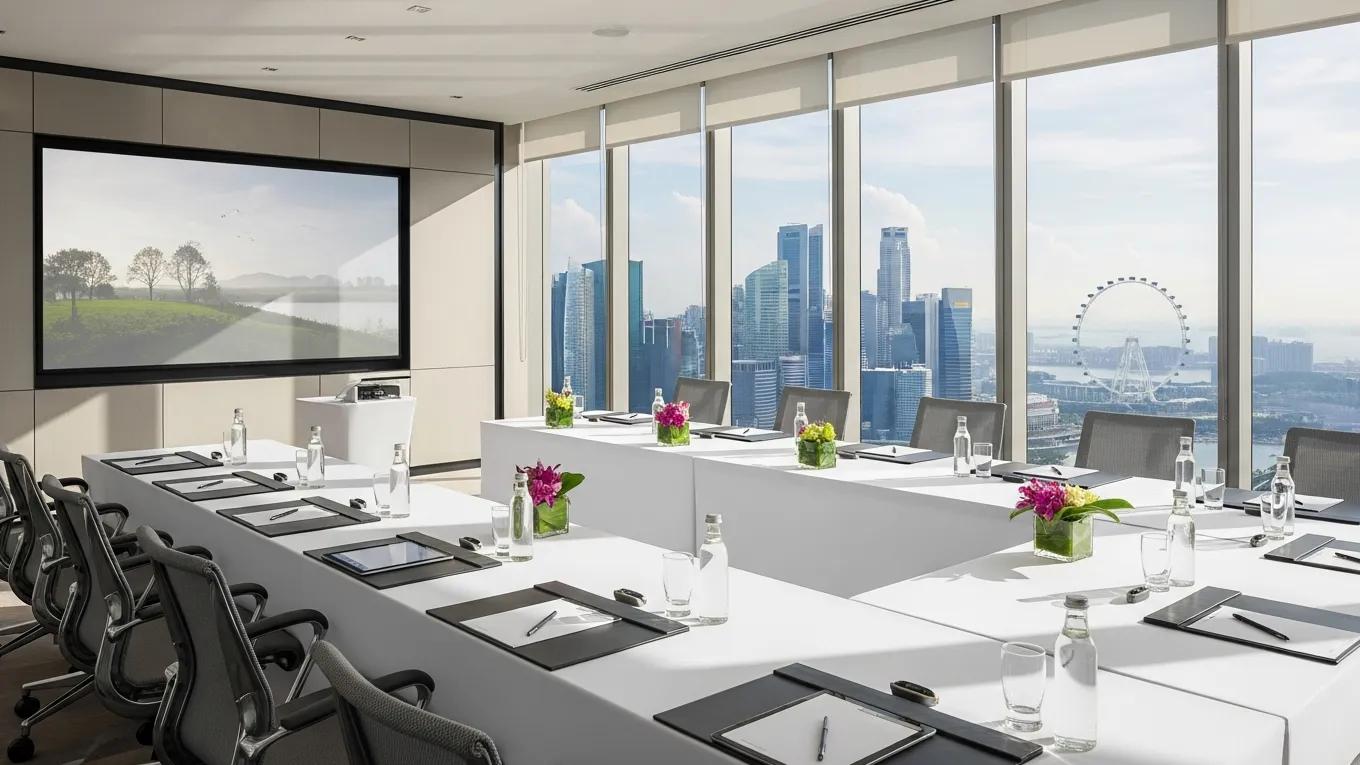
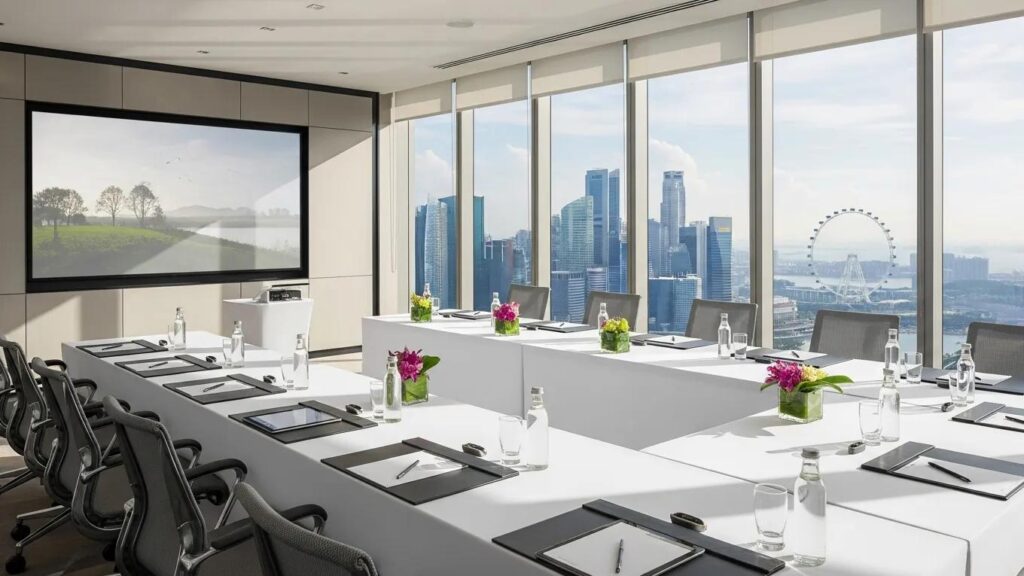
- Marina Bay Sands: Offers luxurious meeting spaces and stunning views of the city skyline.
- Raffles Hotel: Provides a historic setting with modern amenities, ideal for high-level discussions.
- Sentosa Island Resorts: Combines leisure and business, offering a unique environment for relaxation and strategic planning.
What Are the Top Singapore Venues for Executive Team Building and Strategic Sessions?
The top venues for executive team building and strategic sessions include:
- The Fullerton Hotel: Known for its elegant meeting rooms and exceptional service.
- Capella Singapore: Offers a tranquil setting with extensive outdoor spaces for team activities.
- The Ritz-Carlton, Millenia Singapore: Features state-of-the-art facilities and a focus on personalized service.
How to Evaluate Venue Amenities and Accessibility for C-Suite Retreats
When evaluating venues, consider the following amenities and accessibility factors:
- Meeting Rooms: Ensure the venue has adequate space for discussions and presentations.
- Recreational Options: Look for venues that offer activities to promote relaxation and team bonding.
- Accessibility: Confirm that the venue is easily reachable by public transport and has parking facilities.
How Can Customized Team Building Activities Enhance Executive Retreat Outcomes?
Customized team-building activities can significantly enhance retreat outcomes by:
- Addressing Specific Team Needs: Tailoring activities to the team’s dynamics fosters deeper connections.
- Promoting Engagement: Engaging activities encourage participation and collaboration among team members.
- Reinforcing Learning Objectives: Customized programs can directly align with the retreat’s goals, ensuring relevance.
What Types of Executive Team Building Activities Are Most Effective in Singapore?
Effective team-building activities for executives include:
- Leadership Workshops: Focus on developing leadership skills through interactive sessions.
- Problem-Solving Challenges: Encourage teams to work together to overcome obstacles in a fun environment.
- Cultural Experiences: Incorporate local culture into activities to enhance team bonding and understanding.
How Do Tailored Team Building Programs Support Leadership Development?
Tailored team-building programs support leadership development by:
- Fostering Collaboration: Activities designed for specific teams promote teamwork and communication.
- Enhancing Problem-Solving Skills: Engaging in challenges helps leaders develop critical thinking and adaptability.
- Building Trust: Customized programs create opportunities for leaders to connect on a personal level, fostering trust and collaboration.
What Are Best Practices for Facilitating Strategic Planning Sessions During Executive Retreats?
Best practices for facilitating strategic planning sessions include:
- Establishing Ground Rules: Set clear expectations for participation and discussion.
- Encouraging Open Dialogue: Create a safe environment for sharing ideas and feedback.
- Utilizing Facilitation Techniques: Employ techniques such as brainstorming and SWOT analysis to guide discussions.
Master Facilitator Evaluation Checklist
| Criteria | Evaluation Point |
|---|---|
| Neutrality | Maintains unbiased stance, ensuring all voices are heard. |
| Handling HiPPO Dynamics | Effectively manages dominant personalities and power hierarchies. |
| Psychometric Certification | Holds relevant certifications in psychometric assessments. |
| Fortune 500 Experience | Proven track record facilitating executive retreats for Fortune 500 firms. |
| Customization Ability | Adapts facilitation style to unique organizational cultures. |
| Engagement Techniques | Uses innovative methods to maintain focus and participation. |
| Conflict Resolution Skills | Skilled in mediating disputes constructively. |
| Outcome Orientation | Drives sessions towards actionable results and accountability. |
How to Integrate Executive Coaching Elements into Strategic Planning Retreats
Integrating executive coaching elements can enhance the effectiveness of strategic planning retreats by:
- Providing Individualized Support: Coaches can offer personalized guidance to leaders during discussions.
- Encouraging Self-Reflection: Coaching prompts can help leaders assess their strengths and areas for growth.
- Facilitating Goal Setting: Coaches can assist in defining actionable goals that align with the retreat’s objectives.
How Should You Manage Logistics and Execution for a Seamless Executive Retreat?
To manage logistics effectively, consider the following strategies:
- Create a Detailed Plan: Outline all logistical aspects, including transportation, accommodations, and catering.
- Assign Responsibilities: Designate team members to oversee specific logistics to ensure accountability.
- Communicate Clearly: Keep all participants informed about the schedule and any changes to plans.
How Do You Measure Success and Ensure Post-Retreat Impact for Executive Offsites?
Measuring success involves:
- Defining Success Metrics: Establish clear metrics to evaluate the retreat’s effectiveness.
- Gathering Participant Feedback: Use surveys and discussions to collect insights on the retreat experience.
- Implementing Follow-Up Actions: Develop a plan for post-retreat engagement to reinforce learnings and maintain momentum.
Which KPIs and Feedback Mechanisms Best Evaluate Team Cohesion and Leadership Development?
Key performance indicators (KPIs) for evaluating team cohesion and leadership development include:
- Participant Satisfaction Scores: Measure overall satisfaction with the retreat experience.
- Team Collaboration Metrics: Assess improvements in teamwork and communication post-retreat.
- Leadership Development Progress: Track individual growth in leadership skills and competencies.
What Are Effective Strategies for Post-Retreat Follow-Up and Continuous Improvement?
Effective post-retreat follow-up strategies include:
- Conducting Follow-Up Surveys: Gather feedback to assess the impact of the retreat on participants.
- Setting Up Accountability Groups: Encourage participants to form groups to support each other in achieving retreat goals.
- Planning Future Retreats: Use insights gained to inform the planning of future retreats, ensuring continuous improvement.
30-60-90 Day Executive Accountability & OKR Cascading Template
| Timeframe | Milestones | Ownership | Accountability Cadence | Review Gates |
|---|---|---|---|---|
| Day 30 | Initial goal alignment and priority-setting | Executive Sponsor & Team Leads | Weekly check-ins | Progress review call at day 30 |
| Day 60 | Midpoint strategy validation and course correction | Project Managers & Facilitator | Bi-weekly updates | Strategy adjustment workshop at day 60 |
| Day 90 | Outcome evaluation and roadmap refinement | All stakeholders | Monthly alignment meetings | Final evaluation and report delivery |
Request a Bespoke C-Suite Retreat Proposal
Engage Josh Tay and the Adventour Singapore team to craft a tailored retreat experience that aligns perfectly with your organization’s goals and culture.
Download the Executive Retreat Planning Toolkit & Budget Calculator
Access comprehensive planning tools, including budgeting matrices and evaluation checklists to streamline your executive retreat organization.
Schedule an Executive Alignment Consultation with Josh Tay
Book a one-on-one session with Josh to align your leadership team’s strategic vision and maximize your offsite impact.