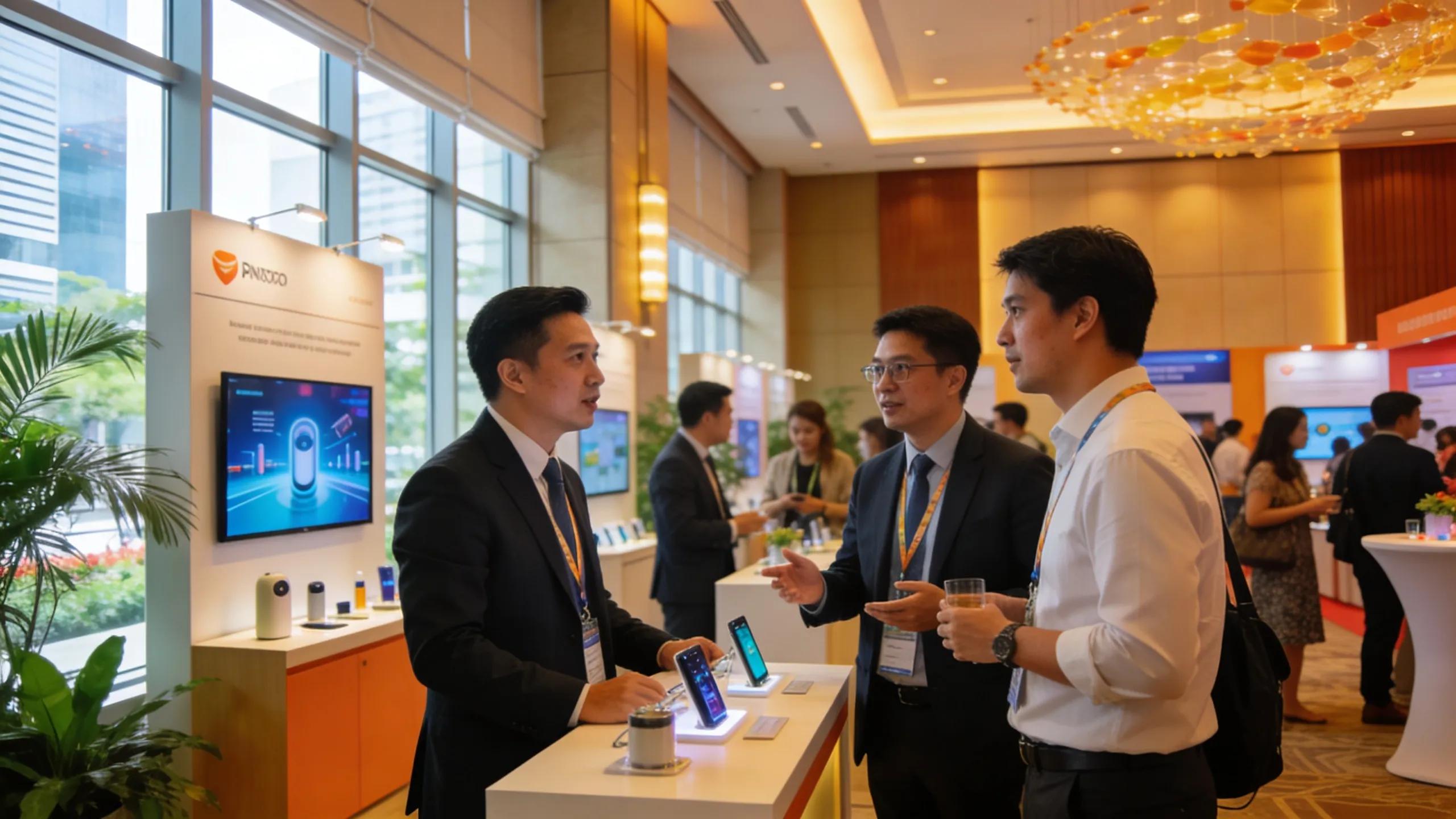
Strategic MICE Event Planning: A Complete Guide for Singapore
By Josh Tay, Adventour Singapore
In the vibrant landscape of corporate engagement and development, MICE (Meetings, Incentives, Conferences, and Exhibitions) event planning holds a crucial position—especially in a global business hub like Singapore. This comprehensive guide aims to equip professionals with the knowledge and strategies necessary for effective MICE event planning, focusing on critical logistics, innovative methods, and successful execution. With the rapidly evolving corporate environment, mastering these elements is essential for achieving impactful results and fostering meaningful connections among stakeholders.
This guide outlines best practices for corporate event execution, discusses the importance of aligning event goals with business objectives, and highlights emerging trends shaping the future of the MICE industry. We will explore strategies for seamless logistical planning, venue selection, technology integration, and engaging team-building activities. By keeping these factors at the forefront, organizations can create memorable experiences that resonate with attendees, ensuring the desired outcomes are met effectively.
Key Strategies for Corporate Event Planning
Effective event planning begins with a clear understanding of objectives and the audience’s needs. Successful corporate event strategies encompass defining these objectives, utilizing structured planning approaches, and ensuring tailored experiences that engage attendees. As businesses strive to enhance their corporate gatherings, several strategies can be employed to elevate the quality and impact of events significantly.
- Define Clear Objectives: Establishing specific, measurable goals allows for purposeful planning and effective evaluations post-event. Objective clarity also aids in justifying budget allocations and resource investments.
- Utilize Structured Planning Approaches: Adopting a methodical planning framework—such as creating timelines, checklists, and feedback loops—helps capture all necessary preparations and execution phases required for successful events.
- Tailor Events to Specific Audience Needs: Understanding the characteristics and preferences of attendees can lead to improved engagement, resulting in higher participant satisfaction and achieving desired outcomes.
Incorporating these strategies sets the foundation for a successful MICE event, emphasizing the importance of preparation and audience consideration. It fosters a natural flow of information—a critical component that can lead to successful partnerships with professional event management services.
Logistical Considerations
Logistics play a pivotal role in ensuring that corporate events run smoothly and are well-received by attendees. Key logistical components include budgeting, criteria for venue selection, and engaging activities, all of which require careful planning and execution.
- Budgeting for Events: A well-prepared budget serves as a roadmap, ensuring that funds are allocated wisely for venues, catering, technology, and staffing.
- Criteria for Venue Selection: Choosing the right venue involves evaluating capacity, accessibility, facilities, and ambiance to create a conducive environment for the event.
- Engaging Activities for Participants: Including interactive elements such as workshops, breakout sessions, or entertainment can enhance the overall experience and foster greater participant involvement.
Managing these logistical aspects carefully can lead to more effective events that meet corporate objectives while leaving a lasting impression on attendees.
Table: Key Logistical Aspects
| Aspect | Importance | Key Considerations |
|---|---|---|
| Budgeting | Ensures financial resources are well allocated | All costs, contingencies, ROI |
| Venue Selection | Impacts attendee experience and event flow | Location, capacity, amenities |
| Participant Engagement | Enhances experience and retention | Activities, networking, interactivity |
Addressing these logistical considerations is vital for successful event planning. Understanding the nuances of venue selection and budgeting can significantly affect the event’s success, propelling it towards achieving organizational goals.
Best Practices for Successful Event Execution
Successful execution of corporate events requires adherence to best practices that ensure seamless operations. These practices include creating comprehensive checklists, collecting feedback post-event, and engaging professional event management services for optimal organizational efficiency. For those looking to elevate their team dynamics, exploring quality team building programs can be a strategic move.
- Create a Comprehensive Checklist: This should outline all tasks, responsibilities, and timelines, serving as a reference point during preparations and ensuring nothing is overlooked.
- Collect Feedback Post-Event: Gathering participant feedback immediately after the event provides insights into areas of success and opportunities for improvement, shaping future planning.
- Engage Professional Event Management Services: Partnering with experts can alleviate the stress of organizing logistics, allowing organizations to focus on content and engagement strategies that drive results.
Implementing these best practices helps organizations maintain control over their event processes, driving towards success by focusing on execution quality and attendee satisfaction.
What is MICE Event Planning and Why is it Essential for Singapore Corporates?
MICE event planning serves as a strategic tool for corporate engagement, designed to optimize networking and collaboration opportunities among professionals. The significance of MICE in Singapore’s corporate strategy lies in its ability to drive innovation and economic growth through organized gatherings that foster business relationships and client engagement.
How do Meetings, Incentives, Conferences, and Exhibitions Shape Corporate Events?
Meetings, incentives, conferences, and exhibitions each serve distinct purposes, collectively enriching the corporate events landscape:
- Meetings: They facilitate focused discussions, strategic planning, and decision-making processes among stakeholders.
- Incentives: Designed to motivate and reward employees, these programs enhance loyalty and performance.
- Conferences: These large-scale events focus on knowledge sharing and networking, crucial for industry developments.
- Exhibitions: These showcase products, services, and innovations—providing platforms for direct interactions between businesses and potential clients.
Understanding the distinct roles of each component can effectively shape corporate events, delivering multifaceted benefits to organizations and their stakeholders.
What are the Key Trends Impacting Singapore's MICE Industry in 2024-2026?
As Singapore continues to evolve as a premier MICE destination, several key trends emerge that are shaping the industry landscape. Notably, the post-pandemic recovery trends emphasize hybrid meetings, integrating both in-person and virtual engagement.
- Adoption of Technology in Events: Automation, mobile apps, and virtual reality are increasingly being utilized to enhance attendee experiences and streamline logistics.
- Shifts Towards Hybrid Meetings: A blend of physical and virtual experiences allows for greater flexibility and participation, reaching wider audiences than traditional formats.
These trends highlight the importance of adaptability in event planning, enabling organizations to remain resilient and relevant in a continuously changing landscape.
How to Organize Effective Corporate Meetings and Conferences in Singapore?
Organizing effective corporate meetings and conferences requires a structured approach that encompasses defining meeting objectives, identifying suitable venues, and managing logistics and catering.
- Define Clear Meeting Objectives: Establishing specific goals ensures every aspect of the meeting aligns with the desired outcomes.
- Identify Suitable Venues: Selecting venues with appropriate capacity and facilities fosters an inviting atmosphere for engagement.
- Manage Logistics and Catering: Thoughtful management of logistics, catering, and technical setups ensures attendee satisfaction and event success.
These steps create a framework for successful meetings and conferences, emphasizing the significance of clear communication and logistical preparedness.
What Are the Best Practices for Venue Selection and Event Logistics?
Venue selection and event logistics are critical for creating impactful corporate events. Best practices include assessing venue types and capacities, evaluating accessibility and amenities, and planning logistics management effectively.
- Assess Venue Types and Capacities: Understanding the requirements of the event helps inform decisions regarding venue size, layout, and facilities.
- Evaluate Accessibility and Amenities: Accessibility features and available amenities provide insights into the venue’s suitability for the desired event format.
- Plan Logistics Management Effectively: Comprehensive logistics planning—including transportation and on-site management—ensures everything runs smoothly during the event.
Implementing these best practices promotes efficient logistics management and an engaging environment suitable for corporate gatherings.
How Can Event Technology Enhance Meetings and Hybrid Conferences?
Event technology plays a fundamental role in modern meeting environments by improving engagement and operational efficiency. The use of digital platforms for engagement, leveraging virtual tools for hybrid setups, and adopting augmented reality (AR) enhance attendee experiences.
- Utilize Digital Platforms for Engagement: Tools like event apps facilitate networking, provide session information, and encourage live polls.
- Leverage Virtual Tools for Hybrid Setups: Integrating live streaming and virtual engagement platforms can broaden reach and participation.
- Adopt AR for Enhanced Experiences: AR technology can create immersive environments, bringing presentations and product launches to life.
These technological advancements can lead to more interactive and memorable events, benefiting both in-person and virtual attendees through diverse engagement methods.
Which Team Building Activities Boost Employee Engagement in Singapore?
Engaging team-building activities are crucial for fostering connections among employees and advancing corporate culture. Adventure-based challenges, workshops, and culinary experiences lead the way in enhancing employee engagement.
- Adventure-Based Challenges: Activities such as scavenger hunts and obstacle courses cultivate teamwork and problem-solving abilities while fostering camaraderie.
- Workshops and CSR Activities: Collaborative workshops and community service engagements increase personal investment in company goals and broader community impact.
- Culinary Experiences: Food-related activities promote team bonding through shared experiences, often leading to increased motivation and workplace satisfaction.
By selecting strategic team-building approaches, organizations can optimize employee engagement and enhance interpersonal relationships among team members.
How Do Customized Team Building Programs Align with Corporate Goals?
Customized team-building programs can be tailored to align with corporate objectives effectively. These programs can enhance employee satisfaction metrics while promoting alignment with the company’s core values.
- Benefits of Customized Programs: Tailoring activities to specific organizational needs leads to increased relevance and impact on participants.
- Employee Satisfaction Metrics: Monitoring and measuring satisfaction and engagement pre- and post-activities provide valuable insights into program efficacy.
- Illustrating Alignment with Corporate Values: Customized programs that reflect the company’s mission resonate deeply with employees and enhance commitment levels.
Integrating custom strategies into team-building activities promotes alignment between workforce engagement and corporate success.
What Are Examples of Popular Team Building Formats for Singapore Companies?
Various team-building formats have proven effective in enhancing workplace relationships in Singapore. Companies often choose from adventure challenges, culinary formats, and community service initiatives to foster collaboration and camaraderie.
- Adventure Challenges: Activities like escape rooms or treasure hunts stimulate creativity and teamwork while providing fun.
- Culinary Formats: Cooking classes or food tastings allow employees to share experiences in an engaging and relaxed setting.
- CSR Initiatives: Collaborative volunteer projects serve as beneficial avenues for team bonding and fostering a sense of purpose.
These popular formats promote effective team interactions, driving both connectivity and shared success among employees.
What Are Current Best Practices for Incentive Travel and Corporate Rewards in Singapore?
Incentive travel and corporate rewards serve as powerful motivators for employee performance and loyalty. Understanding best practices in this domain can significantly affect employee morale and retention rates.
- Incentive Travel Enhancements: Programs should be designed around team cohesion and personal recognition, motivating employees through unique experiences.
- Skill Development During Trips: Arranging activities during travel that encourage skill acquisition and personal growth can enhance overall value for participants.
- Cultural Relevance of Experiences: Tailoring travel experiences to reflect local culture or company values enriches the journey and deepens employee connection to the organization.
Implementing these best practices fosters a supportive environment and enhances employee motivation and engagement through well-conceived incentive travel strategies.
How Does Incentive Travel Enhance Employee Motivation and Retention?
Incentive travel enhances motivation and retention by creating memorable and rewarding experiences that acknowledge employee efforts. The prospect of travel as a reward incentivizes performance improvements while strengthening the affiliation between employees and the organization. By promoting team cohesion and delivering experiences that reinforce workplace satisfaction, companies can positively impact retention rates and loyalty among their workforce.
How Can Businesses Choose the Right Event Management Partner in Singapore?
Selecting the right event management partner is a critical step in ensuring successful outcomes for MICE events. Businesses should evaluate potential partners on their track record, customization capabilities, and client testimonials.
- Evaluate Track Record of Partners: Investigating previous events organized by potential partners can provide insights into their capabilities and success rates.
- Consider Customization Capabilities: Partners who offer tailored solutions demonstrate flexibility and experience in meeting varied client needs.
- Assess Client Testimonials and Costs: Gathering feedback from previous clients and understanding cost structures helps ensure the selected partner can deliver value effectively.
Choosing a compatible event management partner allows organizations to focus on their core competencies while ensuring professional management of events.
What Service Features Should You Expect from a Professional MICE Planner?
Professional MICE planners provide a range of services designed to simplify the event planning process. Service features include end-to-end event management, customization of services, and coordination of engaging activities.
- End-to-End Event Management Services: Professionals handle everything from initial planning to on-site execution and post-event follow-up, ensuring a seamless experience.
- Customization of Planning Services: Tailoring services to specific client needs enhances relevance and effectiveness in achieving desired outcomes.
- Coordination of Engaging Activities: Integrating activities that enhance participant engagement adds value and overall satisfaction to the event experience.
Harnessing the expertise of professional planners enables organizations to realize their event visions while enhancing operational efficiency.
How Does AdvenTOUR Singapore Differentiate Its Corporate Event Solutions?
AdvenTOUR Singapore is distinguished by its extensive industry experience, customized program delivery, and diverse activity offerings. With a deep understanding of the local MICE landscape, AdvenTOUR stands out as an invaluable partner for companies striving to execute successful corporate events.
- Extensive Industry Experience: Their team possesses in-depth knowledge of local markets, ensuring effective navigation through the event planning process.
- Customized Program Delivery: AdvenTOUR specializes in tailoring solutions based on specific client needs, promoting meaningful engagement and impactful results.
- Diverse Activity Offerings: Their range of programs caters to various interests and objectives, providing tremendous value to both clients and participants.
By leveraging these differentiators, AdvenTOUR Singapore asserts itself as a leader in the corporate event planning sphere, enhancing MICE experiences for every client.
What Are Frequently Asked Questions About MICE Event Planning in Singapore?
Understanding common queries related to MICE event planning can help clarify the essentials among potential organizers. Topics often discussed include components of planning packages and success measurement in outcomes.
What Is Included in a Typical MICE Event Planning Package?
A typical MICE event planning package includes essential components such as initial consultation details, logistics management responsibilities, and post-event evaluation processes. Clear definitions of services included can help clients understand deliverables and expectations.
How Do You Measure Success in Corporate Event Outcomes?
Measuring success in corporate event outcomes involves gathering participant feedback, tracking attendance and engagement metrics, and analyzing post-event effectiveness. This multi-dimensional evaluation empowers organizations to understand return on investment and areas for future improvement.
By addressing these frequently asked questions, organizations can equip themselves with the necessary insights to navigate the complexities of MICE event planning effectively.