Team Bonding Activities Singapore | One Dynamics Team Building
Discover Corporate Team-Building Activities That Drive Engagement and Performance
In today’s fast-moving corporate world, building a cohesive team is a strategic advantage. Well-designed team bonding activities lift engagement, sharpen collaboration and boost overall performance. This article outlines proven activities that transform workplace dynamics and lift morale, while addressing common challenges like communication gaps and low motivation. We cover why team building matters, practical activity ideas, ways to measure impact, and how One Dynamics Team Building — a Singapore-based corporate events specialist — tailors experiences to deliver measurable results.
Research supports a clear connection between team-building efforts and improvements in employee engagement and satisfaction.
Team Building’s Impact on Employee Engagement & Satisfaction
A study found a significant relationship between integrating team building at work and higher employee engagement and satisfaction.
Effect of team building activities-An Employee Engagement and Satisfaction Survey (IMRAD), FG Vigonte, 2023
Maximize Team Engagement and Performance with Corporate Activities
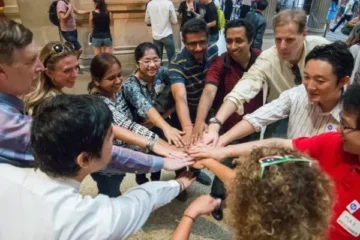
Team bonding activities Singapore companies invest in are relationship-focused initiatives designed to enhance interpersonal connections, trust, and group cohesion among employees. Unlike corporate team building, which often centres on developing specific skills such as leadership development or problem-solving activities, team bonding prioritises strengthening social ties and team morale. In Singapore’s highly competitive corporate landscape, employee engagement has become a strategic priority as organisations recognise that motivated, connected teams drive superior business outcomes.
The business return on investment (ROI) from team bonding is substantial. Companies experience reduced turnover rates as employees feel more valued and connected to their colleagues, fostering loyalty and retention. Improved productivity metrics often follow, as enhanced team communication skills and group cohesion enable smoother workflows and faster decision-making. Furthermore, stronger cross-departmental collaboration emerges when employees break down silos through shared experiences, leading to innovative solutions and a more agile organisation.
By investing in team bonding activities, Singapore organisations not only boost team morale but also create a positive workplace culture that supports long-term success. These activities serve as a foundation for building trust and openness, which are essential for effective teamwork and sustained employee engagement.
Top Team Bonding Activities in Singapore for Corporate Groups (Indoor & Outdoor)
Choosing the right activities is key to maximising the benefits of team bonding. Singapore offers a diverse range of indoor and outdoor options tailored to different group sizes and objectives.
Indoor Team Bonding Activities
- Escape Room Challenges: These immersive problem-solving activities require teams to work under pressure to solve puzzles and escape within a time limit. They develop critical team communication skills and foster collaboration in a fun, engaging environment.
- Culinary Team Challenges: Cooking competitions encourage group cohesion and creativity as teams collaborate to prepare dishes. These fun team activities promote cooperation and provide a relaxed setting for interpersonal bonding.
- DISC Profiling Workshops: Using psychometric-based experiential learning, these workshops help participants understand personality styles and improve communication and leadership development within teams.
- Creative Workshops: Activities such as terrarium building or canvas painting offer enjoyable ways to strengthen interpersonal bonds while encouraging creativity and relaxation.
- Laser Tag / Indoor Sports: High-energy team bonding games like laser tag or indoor volleyball build camaraderie, physical fitness, and team spirit in an exciting, interactive format.
Outdoor Team Building Singapore Activities
- Amazing Race Singapore: This dynamic activity involves teams navigating challenges across the city, requiring problem-solving activities and strong team communication skills to succeed.
- Dragon Boat Racing: A synchronised effort that demands teamwork and group cohesion, dragon boat racing is a powerful outdoor team building experience that builds resilience and mutual support.
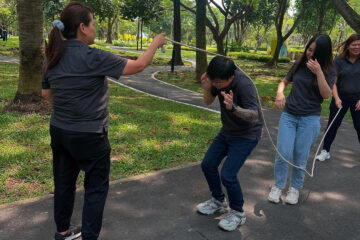
- Outdoor Adventure Challenges: Obstacle courses and experiential learning exercises in natural settings develop leadership, trust, and physical endurance.
For remote or hybrid teams, virtual and hybrid options are available to maintain engagement and connection. These include online escape rooms, virtual trivia contests, and collaborative cooking classes conducted over video conferencing platforms, ensuring all employees can participate regardless of location.
Expanded List of Top Team Bonding Activities Singapore
To provide a comprehensive overview, here are 10 specific team bonding activities Singapore companies can choose from, each designed to deliver targeted outcomes for corporate teams:
- Amazing Race SingaporeHow it works: Teams navigate Singapore landmarks using clues, completing physical and mental challenges at each checkpoint. Participants must strategise, delegate tasks, and communicate under time pressure across the city.Outcome: Builds team communication skills, problem-solving abilities, and cross-functional collaboration in a high-energy outdoor setting.
- Escape Room ChallengeHow it works: Teams are locked in a themed room and must solve a series of interconnected puzzles to “escape” within 60 minutes. Every clue depends on a previous solution, requiring constant communication and logical thinking.Outcome: Sharpens problem-solving activities, develops team communication skills, and reveals natural leadership styles under pressure.
- Culinary Cook-OffHow it works: Teams compete to prepare a three-course meal within a set time, with a professional chef as judge. Each team must divide roles — head chef, sous chef, plating specialist — and execute under kitchen conditions.Outcome: Strengthens group cohesion, encourages fun team activities, and develops trust through shared responsibility.
- Dragon Boat RacingHow it works: Teams of 10–20 paddle in synchrony to propel a traditional dragon boat across a course on Singapore’s waterways. A drummer sets the rhythm and the team must match pace precisely.Outcome: Demands synchronised effort and group cohesion, building team morale and physical camaraderie in an iconic outdoor team building singapore format.
- DISC Profiling WorkshopHow it works: Participants complete a psychometric DISC assessment, then attend a facilitated workshop where results are decoded as a team. Each person’s communication style, strengths, and blind spots are mapped against the team’s collective profile.Outcome: Delivers deep experiential learning about interpersonal dynamics, accelerates leadership development, and improves day-to-day team communication skills.
- Laser Tag TournamentHow it works: Teams compete in a structured laser tag tournament across multiple rounds, with rotating team compositions and escalating objectives. Strategy sessions between rounds encourage tactical planning.Outcome: High-energy team bonding games that build strategic thinking, group cohesion, and competitive team spirit in an indoor team bonding environment.
- Terrarium & Creative WorkshopHow it works: Participants build their own miniature terrarium or complete a guided canvas painting session, with optional team challenges such as creating a collective mural. No artistic experience is required.Outcome: Low-pressure fun team activities that reduce workplace stress, spark creativity, and strengthen interpersonal bonds across departments.
- Outdoor Adventure ChallengeHow it works: Teams rotate through a series of outdoor obstacle stations — rope courses, balance beams, tyre runs, and team-carry challenges — at venues such as Sentosa or Pulau Ubin. Each station is timed and scored.Outcome: Builds physical trust, group cohesion, and resilience through experiential learning in a competitive outdoor team building singapore format.
- Corporate Cooking ClassHow it works: A professional chef guides teams through preparing a multi-course menu from a specific cuisine — Japanese, Italian, or local Singaporean. Teams must collaborate on timing, technique, and presentation.Outcome: Encourages fun team activities, cross-cultural appreciation, and group cohesion in a relaxed, hands-on setting ideal for employee engagement.
- Virtual / Hybrid Team Trivia & GamesHow it works: A live host facilitates a custom-branded trivia game via video conferencing, with rounds covering company history, industry knowledge, and general knowledge. Teams compete in real time using a live leaderboard.Outcome: Inclusive team bonding games that maintain team morale and employee engagement for remote, hybrid, or geographically distributed teams.
How One Dynamics Designs Team Bonding Programmes for Singapore Corporates
One Dynamics Team Building takes a bespoke approach to programme design, avoiding off-the-shelf solutions to deliver customised experiences that align with each organisation’s unique goals. Their in-house development team integrates DISC Profiling to enhance leadership development outcomes, helping teams understand behavioural styles and improve communication.
Programmes are designed with clear objectives in mind, whether to enhance team communication skills, foster problem-solving activities, or boost overall team morale. One Dynamics offers group size flexibility, accommodating intimate sessions for 10 participants to large-scale events for 500+ pax, ensuring every team member is engaged and included.
Pricing starts from SGD $50 per pax, making these programmes accessible for a wide range of budgets. Additionally, One Dynamics offers overseas corporate retreat Singapore options to destinations such as Malaysia, Indonesia, and Thailand, providing immersive experiences that combine team bonding with cultural exploration and relaxation.
How to Plan a Team Bonding Event in Singapore: A Step-by-Step Guide
- Define Objectives: Clarify what you want to achieve—whether it’s boosting employee engagement, enhancing leadership development, or improving team communication skills. Clear goals guide activity selection and measurement.
- Set Budget: Determine your budget range. Half-day programmes typically cost between SGD $50–$150 per pax, while full-day events range from SGD $150–$300 per pax. Budget considerations influence venue, activities, and group size.
- Choose Format: Decide between indoor team bonding, outdoor team building Singapore, or a corporate retreat Singapore. Consider factors like weather, team preferences, and desired outcomes.
- Select Venue: Popular locations include CBD hotels for convenience, East Coast Park for outdoor activities, Sentosa for resort-style retreats, and Pulau Ubin for nature-based experiences.
- Book Early: Secure your date 4–6 weeks in advance for standard events. For larger groups of 200+ pax, plan 8–12 weeks ahead to ensure availability and smooth logistics.
- Debrief and Measure: Conduct a post-event debrief to anchor learning and gather feedback. Use surveys and performance metrics to measure improvements in team morale and engagement.
- Venue Selection in Singapore: Singapore offers a wide range of venues suited to different corporate team building formats. For indoor team bonding, popular choices include hotel ballrooms in the CBD such as Marina Bay Sands, Suntec City, and Orchard hotels, corporate training centres, and co-working event spaces. For outdoor team building Singapore, East Coast Park, Sentosa Island, Labrador Nature Reserve, and Pulau Ubin offer open space and natural settings. One Dynamics has established relationships with over 50 venues across Singapore and can recommend the best fit based on group size flexibility, budget, and activity type — removing the logistical burden from your HR or events team entirely.
- Catering Considerations: Catering is often overlooked in team bonding event planning but significantly impacts participant experience and energy levels. For half-day programmes, light refreshments and a post-event lunch are standard. For full-day outdoor team building Singapore events, a catered lunch break is essential to maintain energy and team morale. One Dynamics can coordinate halal-certified, vegetarian, and dietary-specific catering options through its preferred vendor network. For overseas corporate retreat Singapore programmes, full-board meal arrangements are included in the package. Always confirm dietary requirements from participants at least two weeks before the event to avoid last-minute complications.
- Measuring ROI After the Event: Measuring the return on investment from team bonding activities Singapore is increasingly important for HR and L&D professionals who need to justify budget spend. One Dynamics recommends a three-stage measurement approach: (1) Pre-event baseline survey measuring current team morale, employee engagement, and team communication skills scores; (2) Post-event debrief session within 48 hours to capture immediate reflections and behavioural commitments; (3) 30-day follow-up pulse survey to measure sustained changes in group cohesion and collaboration. This structured approach transforms a one-day fun team activity into a measurable leadership development and employee engagement initiative with documented outcomes.
Why Singapore’s Leading Companies Choose One Dynamics for Team Bonding
Since 2010, One Dynamics Team Building has established itself as a trusted partner for Singapore’s top organisations. With over 15 years of experience, they have delivered more than 1,000 events involving 50,000+ participants across 300+ corporate clients, including Fortune 500 multinationals and Singapore government agencies.
All programmes are developed in-house, ensuring high quality and alignment with client objectives. Dedicated account managers provide personalised service, managing every detail from planning to execution. Post-event reporting includes team morale measurement and actionable insights to demonstrate return on investment.
One Dynamics is recognised for seamless logistics, professional facilitation, and the ability to tailor experiences that resonate with diverse teams. Their commitment to excellence makes them the preferred choice for companies seeking impactful team bonding activities Singapore-wide.
What truly sets One Dynamics apart is not just the scale of its track record — 1,000+ events, 50,000+ participants, 300+ corporate clients — but the depth of its institutional knowledge built over 15 years of continuous operation since 2010. Every programme is designed in-house by One Dynamics’ own facilitators, drawing on real-world insights from hundreds of corporate team building engagements across industries including banking and finance, technology, healthcare, logistics, and the public sector. This means that when you engage One Dynamics, you are not receiving a generic off-the-shelf package — you are accessing 15 years of refined experiential learning methodology, tailored specifically to your team’s objectives, culture, and group size flexibility requirements.
Frequently Asked Questions About Team Bonding Activities in Singapore
What is the minimum and maximum group size for team bonding activities?
One Dynamics offers group size flexibility, accommodating intimate sessions starting from 10 participants up to large-scale events for 500+ pax. This ensures customised experiences that engage every team member effectively.
What is the typical cost per participant for team bonding programmes?
Pricing starts from SGD $50 per pax for half-day indoor or outdoor activities. Full-day programmes range from SGD $150 to $300 per pax, depending on the complexity and location of the event.
What is the difference between indoor team bonding and outdoor team building Singapore activities?
Indoor team bonding activities focus on relationship-building and communication within controlled environments, such as escape rooms or creative workshops. Outdoor team building Singapore involves physical challenges and experiential learning in natural settings, promoting resilience, leadership development, and group cohesion.
Are there overseas corporate retreat Singapore options available?
Yes, One Dynamics offers customised overseas corporate retreat Singapore programmes to destinations including Malaysia, Indonesia, and Thailand. These retreats combine team bonding with cultural experiences and relaxation, ideal for deepening team connections.
How can I get a customised quote for my team bonding event?
You can request a customised proposal by contacting One Dynamics Team Building via their website at onedteambuilding.com or by calling +65 8087 5028. They typically provide tailored quotes within 24 hours to help you plan efficiently.
Conclusion
Effective team bonding is a strategic way to boost engagement, strengthen collaboration and improve organisational performance. When activities are tailored to team needs and backed by measurement, they deliver lasting change. One Dynamics Team Building specialises in designing customised, outcome-focused experiences in Singapore that help organisations reach their goals through stronger teamwork and collaboration.
Ready to elevate your team’s performance with Singapore’s most trusted team bonding specialists?
One Dynamics Team Building has delivered over 1,000 corporate team building events for 50,000+ participants across 300+ organisations since 2010. Whether you are planning an intimate indoor team bonding session for 10, a large-scale outdoor team building Singapore event for 500, or an overseas corporate retreat Singapore to Malaysia, Indonesia, or Thailand — One Dynamics has the experience, programmes, and passion to make it exceptional. Contact us today at onedteambuilding.com or call +65 8087 5028 for a customised quote within 24 hours.